
EMC/EMI Checklist Before Your Board Goes to Certification
EMC testing is expensive, and failing it is worse than the test fee — it costs you a respin, a
ESP32 Secure Boot is a crucial feature that enhances the security of your applications by ensuring that only authorized firmware executes on your device. This capability is particularly significant for IoT projects, where compromised devices can lead to serious vulnerabilities. In this article, we will delve into the functioning of ESP32 Secure Boot, explore its integration with other security features like flash encryption, and provide essential tips for implementing it effectively.
ESP32 Secure Boot is a mechanism that protects your application against unauthorized firmware modifications. With this feature enabled, the ES32 chip will only load bootable code that is securely signed with a private key. When the device powers up, it checks the signature of the firmware before allowing it to run. If the firmware is tampered with or is not signed with the correct key, the boot process halts, preventing any harmful code from executing.
Enabling the secure boot feature on the ESP32 significantly boosts the security posture of your applications. Here are some compelling reasons to implement this feature:
1. Data Integrity: It ensures that the code running on the ESP32 has not been altered, which protects the integrity of the application.
2. Resistance to Attacks: Unauthorized users cannot replace the firmware, thereby reducing the risk of malicious attacks such as code injection.
3. User Trust: For IoT solutions, particularly those involving sensitive data, providing users with assurance that their devices are secure is essential.
While secure boot focuses on the integrity of the firmware, ESP32 flash encryption complements this security by protecting the application code stored in non-volatile memory. Here’s how both work together:
- Secure Storage: When flash encryption is enabled, the firmware code is stored in an encrypted format. Thus, even if an attacker gains access to the physical device and attempts to read the flash memory, the code would be unreadable without the correct decryption keys.
- Demonstrates Commitment to Security: Using both features signals to users and stakeholders that you take security seriously, which can be a competitive advantage.
Other than integrating seamlessly with secure boot, flash encryption offers several advantages:
- Protection Against Reverse Engineering: By encrypting data, you make it far more challenging for an attacker to reverse-engineer your application, making it less appealing for them to attempt.
- Dynamic Key Management: ESP32 supports dynamic key management, allowing you to change encryption keys without the need to reflash the firmware.
Implementing ESP32 Secure Boot and flash encryption can seem daunting at first, but these tips will simplify the process and help you maintain robust security:
When generating your private keys for signing firmware, make sure to use a strong and secure method. Use platforms such as OpenSSL or secure hardware modules to ensure that your keys are not easily compromised.
Before deploying your application in a production environment, thoroughly test the secure boot feature. Ensure that only signed firmware correctly boots, and unauthorized modifications trigger the expected boot halts.
Once generated, it’s crucial to manage your keys and certificates securely. Use a secure key vault or a hardware security module (HSM) to store your private keys. Avoid hardcoding keys in your source code, as they can easily become exposed.
Regular updates are vital not just for adding features but also for enhancing security. Make sure your update process is secure, and only authorized updates are implemented using your secure boot mechanism.
Security is not a one-time implementation but an ongoing process. Stay updated with the latest best practices and emerging threats. Attend workshops, follow relevant forums, and read up-to-date security publications.
The ESP32 platform comes with other advanced security features worth exploring. These include secure provisioning, encrypted communication, and audit logging. Combining these features can further enhance your application's security.
In an era where cyber threats are increasingly sophisticated, ensuring the security of your devices is paramount. Implementing ESP32 Secure Boot, alongside flash encryption, is a powerful way to protect your firmware and maintain the integrity of your applications. By following the tips laid out in this article, you can build a robust security framework around your ESP32 projects, helping to secure not only the devices themselves but also the data they transmit and receive. These strategies will empower you to develop IoT solutions that are not just innovative, but also secure, trustworthy, and resilient against potential threats.
======================================
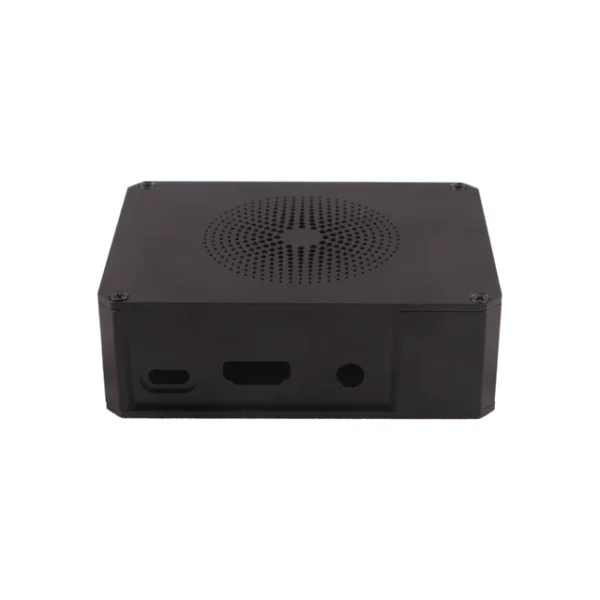 Radxa Metal Case for ROCK 5C, Full Metal Enclosure
$24.90
Radxa Metal Case for ROCK 5C, Full Metal Enclosure
$24.90
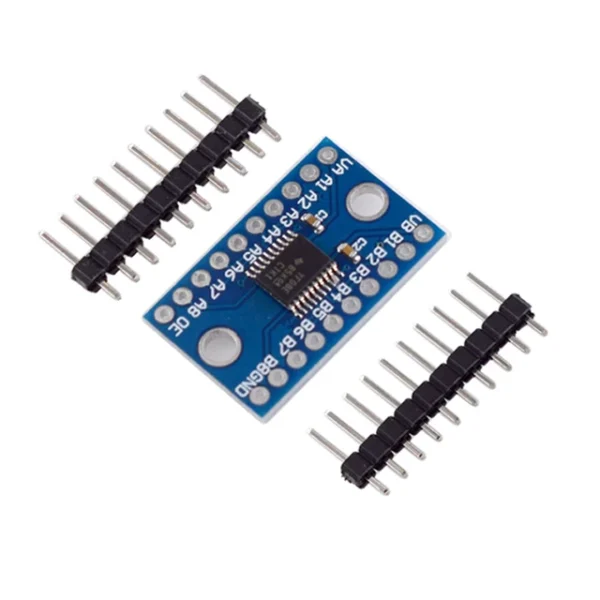 3.3V 5V TXS0108E 8 Channel Logic Level Bi-directional Converter Module TXB0108 Mutual Convert Module TXS0108
$1.90
3.3V 5V TXS0108E 8 Channel Logic Level Bi-directional Converter Module TXB0108 Mutual Convert Module TXS0108
$1.90
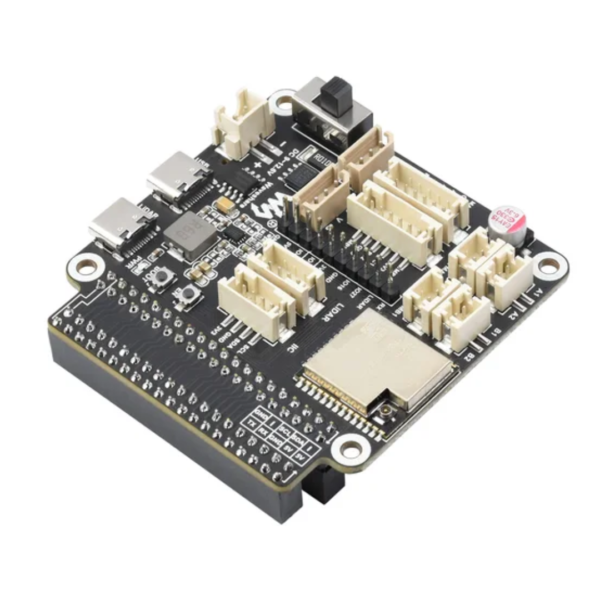 General Driver board for Robots, for Raspberry Pi and Jetson Nano, Supports WIFI, Bluetooth and ESP-NOW Communications
$32.90
General Driver board for Robots, for Raspberry Pi and Jetson Nano, Supports WIFI, Bluetooth and ESP-NOW Communications
$32.90
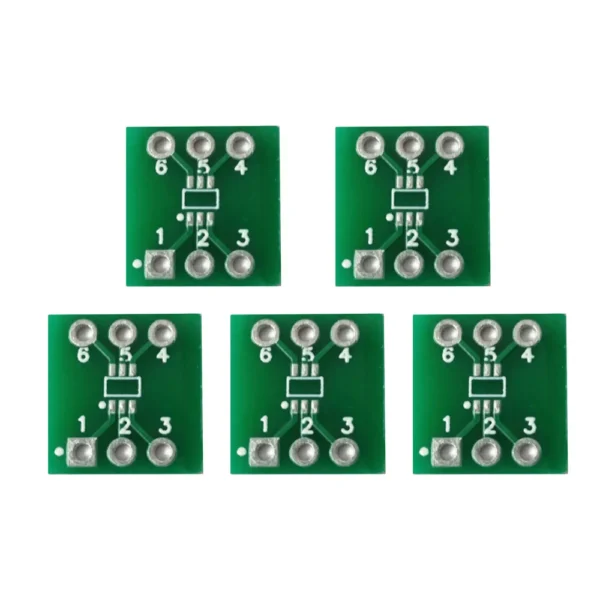 SC-70 SOT23-6 SOT23-5 Adapter Board Converter Plate Pinboard Patch SMD to DIP 0.5mm 0.65mm Spacing Transfer Board
$2.30
SC-70 SOT23-6 SOT23-5 Adapter Board Converter Plate Pinboard Patch SMD to DIP 0.5mm 0.65mm Spacing Transfer Board
$2.30
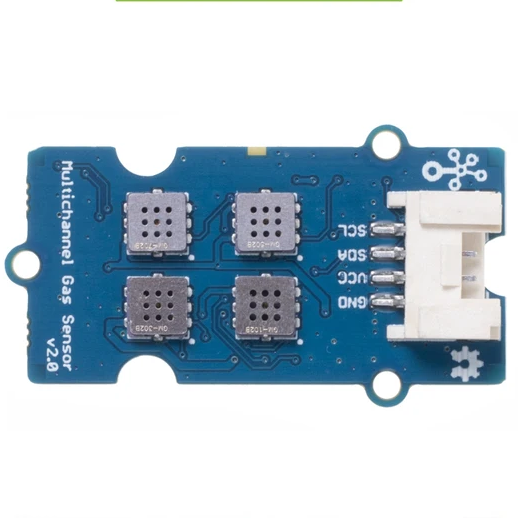 Grove - Multichannel Gas Sensor v2
$50.90
Grove - Multichannel Gas Sensor v2
$50.90
EMC testing is expensive, and failing it is worse than the test fee — it costs you a respin, a
We review a lot of boards — some designed in-house, some by other contractors, some by founders doing their own
When a battery-powered product dies too soon, the instinct is to blame the firmware. Surely there is a sleep mode
A wearable PCB is not just a small PCB. It is a board where every constraint that normally has some
The STM32 family is the workhorse of embedded hardware, and almost every project that uses one starts the same way:
The nRF52840 is one of the most popular BLE and multiprotocol chips in the world, and for good reason: it
No account yet?
Create an Account