EMC/EMI Checklist Before Your Board Goes to Certification
EMC testing is expensive, and failing it is worse than the test fee — it costs you a respin, a
When it comes to microcontroller development, the ESP32 S2 vs S3 debate often arises among engineers and hobbyists alike. Understanding the differences between these two powerful chips can lead to better project outcomes, whether you are building IoT devices, wearables, or any other digital solutions. In this article, we will delve into the specific features, advantages, and potential use cases of each variant—helping you make an informed decision for your project.
The ESP32 series from Espressif has carved a niche for itself in embedded systems due to its powerful performance and versatile functionality. The S2 and S3 models are two of the most prominent variants, each tailored for specific applications and user needs. Here’s a detailed comparison to illustrate the differences between ESP32 S2 and S3.
1. Processing Power
- ESP32 S2: Features a single-core Tensilica LX7 processor running at up to 240 MHz. This chip is designed for energy efficiency while offering sufficient power for moderate tasks.
- ESP32 S3: Comes equipped with a dual-core processor (also Tensilica LX7) that can handle more complex operations and multitasking. It operates at the same clock speed but benefits from twice the core count, making it ideal for applications requiring advanced processing capabilities.
2. Memory Capacity
- ESP32 S2: Comes with up to 4 MB of external Flash and 320 KB of SRAM, which is adequate for most basic applications.
- ESP32 S3: Supports up to 16 MB of external Flash and has an impressive 512 KB of SRAM. This expanded memory allows for more extensive applications and complex algorithms, making it suitable for machine learning and AI-driven tasks.
3. Wireless Capabilities
- Both chips support Wi-Fi (802.11 b/g/n), but the ESP32 S3 adds Bluetooth 5.0 capabilities, enhancing its versatility for applications that require both protocols. This is particularly beneficial in applications such as smart home devices, where Bluetooth connectivity is essential.
4. AI Features
- One of the distinguishing features of the ESP32 S3 is its built-in support for vector operations. This capability makes it well-suited for machine learning tasks and applications involving real-time image processing. In contrast, the ESP32 S2 lacks this capability, making it less ideal for projects that require heavy computation or AI functionalities.
Power consumption is an essential factor to consider when selecting an ESP32 chip for your project. Both variants offer low-power modes, a feature highly beneficial for battery-operated devices.
- ESP32 S2: Optimized for lower power usage, making it an excellent choice for applications where prolonged battery life is critical.
- ESP32 S3: While also efficient, the dual-core nature might lead to slightly higher power consumption, but it compensates this with its processing power during active operations.
Price is often a determining factor when selecting a chip. Generally, the ESP32 S2 comes at a lower cost, making it attractive for budget-conscious projects or those with less demanding computational needs. Conversely, the ESP32 S3 is priced higher due to its advanced features and capabilities. This aspect should be carefully considered based on your project budget and requirements.
1. ESP32 S2 Projects
- Suitable for basic IoT applications like smart sensors or Wi-Fi-controlled devices where simple data processing and connectivity are required.
- Ideal for rapid prototyping and educational purposes to get started with embedded systems.
2. ESP32 S3 Projects
- Best suited for applications involving machine learning, such as facial recognition, real-time object detection, and other AI applications needing high processing power.
- Great for complex projects requiring extensive UI interaction, such as smart devices with voice or image processing capabilities.
Choosing between the ESP32 S2 vs S3 ultimately hinges on your project requirements. If your focus is on energy efficiency and straightforward tasks, the S2 might be the better choice. However, if your project demands greater processing power, advanced capabilities, or needs to handle AI tasks, the S3 stands out as a superior option.
In summary, both chips offer a wealth of features that cater to different engineering needs. By understanding the ESP32 variants comparison in detail, you can better align your chip selection with your project goals, ensuring a successful outcome.
======================================
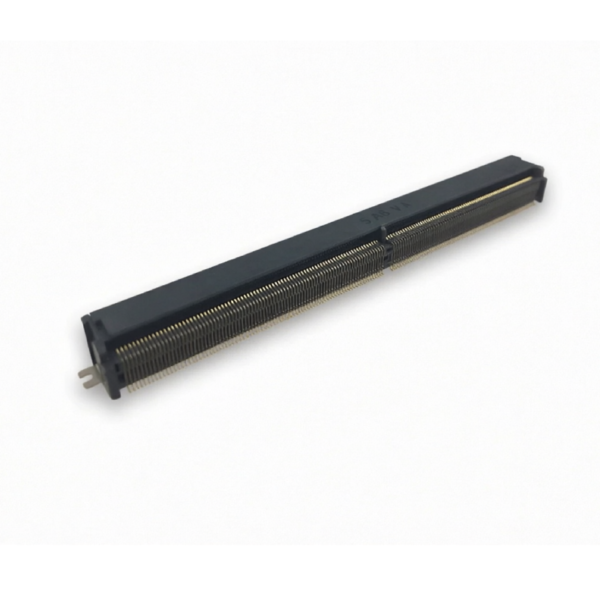 Core board connectors suitable for RK3399 and RK3288 core board modules
$5.50 – $6.50Price range: $5.50 through $6.50
Core board connectors suitable for RK3399 and RK3288 core board modules
$5.50 – $6.50Price range: $5.50 through $6.50
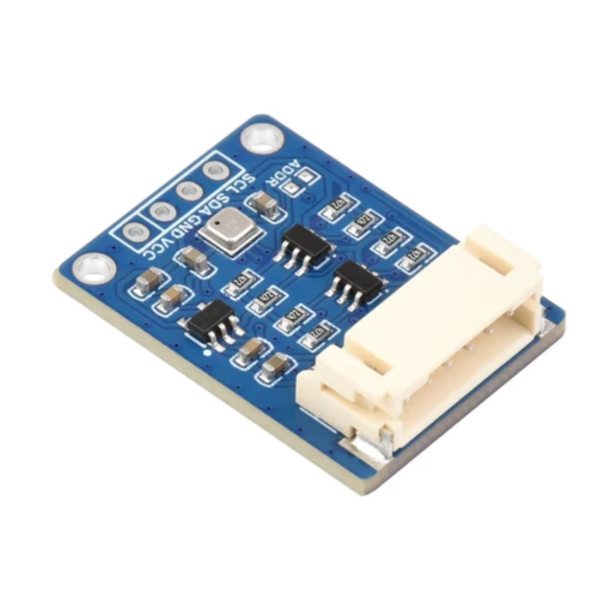 BME68X Environmental Sensor for Raspberry Pi/Jetson Nano/Audio/ESP32, Temperature, Humidity, Barometric Pressure
$15.90 – $26.70Price range: $15.90 through $26.70
BME68X Environmental Sensor for Raspberry Pi/Jetson Nano/Audio/ESP32, Temperature, Humidity, Barometric Pressure
$15.90 – $26.70Price range: $15.90 through $26.70
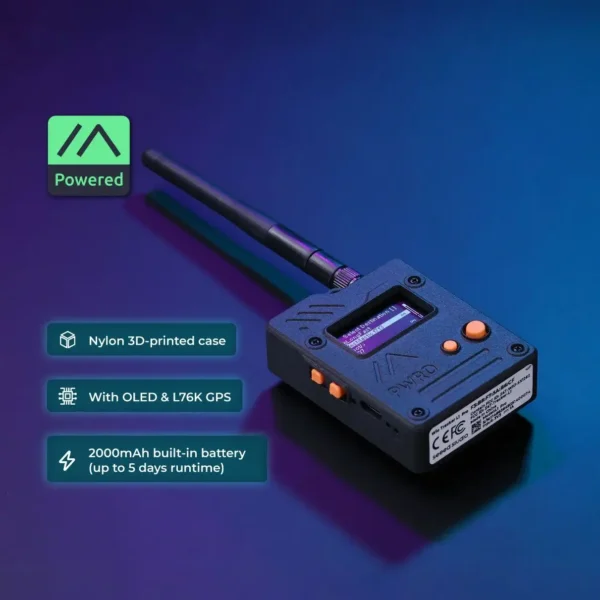 Meshtastic Node Wio Tracker L1 LoRa Wio-SX1262 862-930MHz 868MHz 915MHz NRF52840 L76K GPS,Wireless, Low-power, Development Board
$35.90 – $54.90Price range: $35.90 through $54.90
Meshtastic Node Wio Tracker L1 LoRa Wio-SX1262 862-930MHz 868MHz 915MHz NRF52840 L76K GPS,Wireless, Low-power, Development Board
$35.90 – $54.90Price range: $35.90 through $54.90
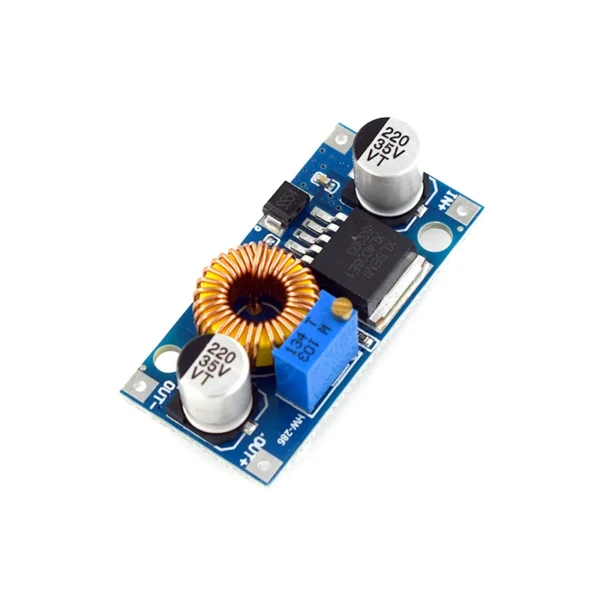 XL4005 DSN5000 Beyond LM2596 DC-DC Max 5A high current adjustable step-down power module High Conversion Efficiency High power
$2.20
XL4005 DSN5000 Beyond LM2596 DC-DC Max 5A high current adjustable step-down power module High Conversion Efficiency High power
$2.20
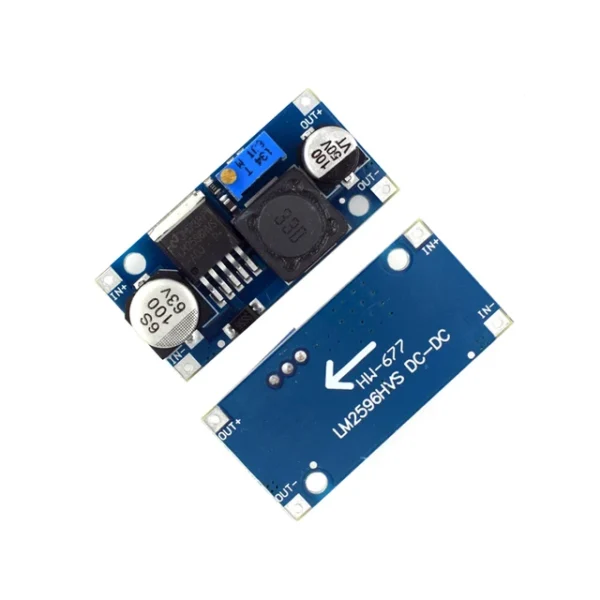 LM2596HVS LM2596 HV LM2596HV DC-DC Adjustable Step Down Buck Converter Power Module DC 4V - 48V To 3V - 40V Urrent limiting
$2.30
LM2596HVS LM2596 HV LM2596HV DC-DC Adjustable Step Down Buck Converter Power Module DC 4V - 48V To 3V - 40V Urrent limiting
$2.30
EMC testing is expensive, and failing it is worse than the test fee — it costs you a respin, a
We review a lot of boards — some designed in-house, some by other contractors, some by founders doing their own
When a battery-powered product dies too soon, the instinct is to blame the firmware. Surely there is a sleep mode
A wearable PCB is not just a small PCB. It is a board where every constraint that normally has some
The STM32 family is the workhorse of embedded hardware, and almost every project that uses one starts the same way:
The nRF52840 is one of the most popular BLE and multiprotocol chips in the world, and for good reason: it
No account yet?
Create an Account