For Hardware Engineering Directors and Supply Chain VPs, the Printed Circuit Board (PCB) Bill of Materials (BOM) is no longer just a line item—it is a critical risk vector. At the absolute core of this cost structure lies Copper Clad Laminate (CCL) and its vital companion, prepreg. Accounting for 30% to 55% of the total bare PCB cost, the volatility of CCL pricing can instantly erode product margins or stall a New Product Introduction (NPI) pipeline.
As we analyze the market trajectory from late 2025 into 2026, the simplistic narrative of "global inflation" is dangerously misleading. The CCL market is experiencing a profound structural realignment driven by petrochemical indexing, energy-constrained glass weaving, and the aggressive material hoarding by AI hyperscalers.
If your organization is still relying on transactional, quarter-by-quarter spot quoting for your PCB laminates, you are operating with a legacy playbook in a modern battlefield. This comprehensive guide deconstructs the micro-economics of CCL, exposes the hidden Total Cost of Ownership (TCO) traps that destroy hardware margins, and provides a cross-functional strategy to secure your 2026 manufacturing roadmap.
The 2026 CCL Procurement Reality
- What drives CCL costs in 2026? A triad of LME copper volatility, crude-oil-linked epoxy resin pricing, and the immense energy costs required to melt silica for E-glass and Low-DK quartz fabrics.
- The "Grey Market" Risk: Desperation for AI-grade laminates (Megtron 8/9, Tachyon) has spawned a dangerous grey market of expired prepregs and counterfeit foils, leading to catastrophic field failures.
- The TCO Trap: Focusing solely on "price per square meter" ignores panel utilization rates, hybrid stack-up opportunities, and SMT yield losses caused by poor material handling.
- The Strategic Fix: Hardware teams must break down engineering-procurement silos, implement DFM-driven hybrid stack-ups, and leverage Turnkey ODM partnerships to hedge material volatility.
Part 1: Deconstructing the CCL Cost Matrix (The Micro-Economics)
To accurately forecast your 2026 PCB budgets, you must understand the upstream commodities that dictate CCL pricing. A laminate is essentially a composite of three raw materials, each tied to a different global macroeconomic index.
1. Copper Foil: Beyond the LME Index
While the London Metal Exchange (LME) sets the baseline for raw copper, the processing cost of converting copper cathodes into electronic-grade foil is highly energy-intensive. Furthermore, the shift toward HVLP (Hyper Very Low Profile) and profile-free foils for 112G/224G AI servers requires specialized electroplating baths and slow-deposition machinery. In 2026, you are not just paying for copper; you are paying a massive premium for the metallurgical precision required to prevent signal skin-effect loss.
2. Epoxy Resins: The Petrochemical Link
The resin systems (epoxy, PTFE, hydrocarbon) that bind the CCL are derivatives of the petrochemical industry. Specifically, the precursors for epoxy (Bisphenol-A and Epichlorohydrin) track closely with global crude oil and propylene prices. As geopolitical tensions fluctuate and carbon-emission taxes are levied on chemical plants in key Asian manufacturing hubs, the baseline cost of high-Tg and high-speed resins has structurally elevated.
3. Glass Fiber: The Energy Bottleneck
Melting silica, boron, and alumina into continuous fiberglass yarn requires furnaces operating at over 1,600°C continuously for years. In 2025-2026, energy grid constraints and strict environmental regulations in major weaving hubs have capped the supply of Low-DK (NE-glass) and Spread Glass. When you specify these materials to prevent glass-weave skew in high-speed differential pairs, you are buying into a highly constrained, energy-gated supply chain.
Part 2: The 2026 Material Matrix & The "AI Siphon" Effect
The most critical pain point for B2B hardware teams in 2026 is the AI Siphon. Hyperscale data center builders are locking up multi-year contracts for Ultra-Low Loss (ELL) materials, creating a severe two-tier market.
The Danger of the Spot Market: Desperate to meet NPI deadlines, some procurement teams turn to unauthorized brokers for M8/M9 laminates. This introduces a fatal risk: Expired Prepreg. High-speed prepregs have strict shelf lives (often 3-6 months) and require continuous cold-chain storage. "Grey market" materials that have sat in unclimate-controlled warehouses will suffer from advanced cross-linking. When these boards hit the 260°C SMT reflow oven, the resin cannot flow properly, resulting in measling, blistering, and catastrophic inner-layer delamination. The cost of scrapping a populated, $10,000 AI server board dwarfs any "savings" made on the bare laminate.
Part 3: Breaking the Silos: The Hidden TCO Traps
The greatest threat to your 2026 PCB budget is not the CCL manufacturer; it is the disconnect between your Electrical Engineering (EE) team and your Procurement team.
Trap 1: The "Over-Specification" Tax
Fear of signal integrity (SI) failures often leads EE teams to specify top-tier M9 materials for every single layer of a 30-layer board.
- The Reality: Only the specific layers routing 112G/224G PAM4 differential pairs require Ultra-Low Loss materials. The power, ground, and low-speed GPIO layers can safely utilize mid-loss or high-Tg FR-4 materials.
- The Fix: Implementing a Hybrid Stack-up. By working with a manufacturing partner that offers deep DFM (Design for Manufacturing) integration, you can mix material grades within the same board. This maintains SI compliance while slashing the CCL BOM cost by up to 30%.
Trap 2: Ignoring Panel Utilization
CCL is fabricated in standard sheet sizes (e.g., 18x24, 21x24, 24x36 inches). If your PCB dimensions are not optimized for these standard sheets, you might only achieve 65% panel utilization. On a highly expensive M9 laminate, throwing away 35% of the sheet as routed scrap is a massive, hidden tax on your project. Engineering must collaborate with the fabricator's CAM team during the layout phase to optimize board dimensions and array configurations for maximum yield.
Part 4: The 2026 Strategic Playbook for Hardware Leaders
To insulate your margins and guarantee production continuity, organizations must adopt a unified, proactive supply chain strategy.
Step 1: Shift to Turnkey PCBA for Material Kitting
Managing the procurement, cold-chain storage, and shelf-life tracking of exotic CCL and prepregs is a massive overhead for hardware companies. By transitioning to a Turnkey PCB Assembly and Manufacturing Service, you offload this risk. A specialized turnkey partner purchases CCL in massive, optimized volumes, maintains strict climate-controlled warehousing, and kits the exact materials required for your SMT run. This ensures that the prepreg used on your board is always fresh, guaranteeing optimal resin flow and eliminating delamination risks during component reflow.
Step 2: Execute ODM/OEM Bulk Hedging
For high-volume programs utilizing Mid-Loss or Ultra-Low Loss materials, spot quoting is a gamble you will eventually lose. Enterprise clients must leverage ODM/OEM Bulk Inquiry agreements. By committing to an annualized volume forecast, you transition from a "transactional buyer" to a "strategic partner." This grants you:
- Priority Allocation: First access to limited M8/M9 and HVLP foil production runs.
- Price Hedging: Locking in baseline material costs, protecting your product margins from sudden LME copper spikes or petrochemical inflation.
- Dedicated Capacity: Guaranteed machine time on sequential lamination presses and UV laser drills, ensuring your NPI timeline is never derailed by factory bottlenecks.
Step 3: Standardize Across Product Families
If your company produces a fleet of edge AI devices, telecom modules, or medical controllers, standardize your PCB layer counts and core material grades across the portfolio. This allows your manufacturing partner to aggregate your demand, purchase CCL in massive, optimized sheet sizes, and mix different SKUs on a single fabrication panel. This drives utilization rates near 95% and drastically reduces your effective material cost per unit.
CCL Pricing & PCB Supply Chain Strategy
Q: How does the price of crude oil affect PCB CCL costs?
A: The epoxy resins used in standard and high-Tg CCL are derived from petrochemical precursors like Bisphenol-A and Epichlorohydrin. Therefore, fluctuations in global crude oil and propylene prices directly impact the baseline cost of the resin systems used in PCB laminates.
Q: What is a "Hybrid Stack-up" and how does it reduce PCB costs?
A: A hybrid stack-up involves using expensive Ultra-Low Loss materials (like Megtron 8/9) only on the specific inner layers that route high-speed (112G/224G) signals, while using more cost-effective mid-loss or FR-4 materials for power, ground, and low-speed layers. This maintains signal integrity while significantly reducing the overall CCL BOM cost.
Q: Why is buying CCL from the "grey market" dangerous for AI PCBs?
A: High-speed prepregs have strict shelf lives (3-6 months) and require continuous cold-chain storage. Grey market brokers often sell expired or improperly stored materials. When these degraded resins undergo SMT reflow, they fail to bond properly, causing catastrophic inner-layer delamination and board scrap.
Q: How can mid-sized OEMs secure M9 and HVLP materials in 2026?
A: Mid-sized OEMs should partner with specialized Turnkey PCBA and ODM manufacturers. These partners aggregate the demand of multiple clients, allowing them to secure bulk allocations and favorable pricing from top-tier laminate suppliers (like Panasonic and Isola), bypassing the severe shortages of the open spot market.
Engineering Certainty in a Volatile Market
The CCL price trends of 2025 and 2026 represent a permanent structural shift in the hardware manufacturing landscape. The days of treating PCB laminates as a cheap, easily swappable commodity are over. Today, CCL is a highly engineered, geopolitically sensitive, and fiercely contested resource.
Winning in 2026 requires breaking down the silos between electrical engineering and supply chain procurement. By optimizing stack-ups for panel utilization, implementing hybrid material designs, and securing long-term ODM/OEM partnerships, you can insulate your product margins from upstream volatility and guarantee your hardware ships on time.
Ready to bulletproof your 2026 PCB BOM and secure your supply chain? Stop leaving your margins and NPI timelines to the mercy of the spot market. Submit your ODM/OEM bulk inquiry today to lock in priority CCL allocations, hedge against material inflation, and secure dedicated manufacturing capacity. Alternatively, explore our Turnkey PCB Assembly and DFM Services to engineer the cost out of your high-speed stack-ups and ensure flawless SMT yields from prototype to mass production.

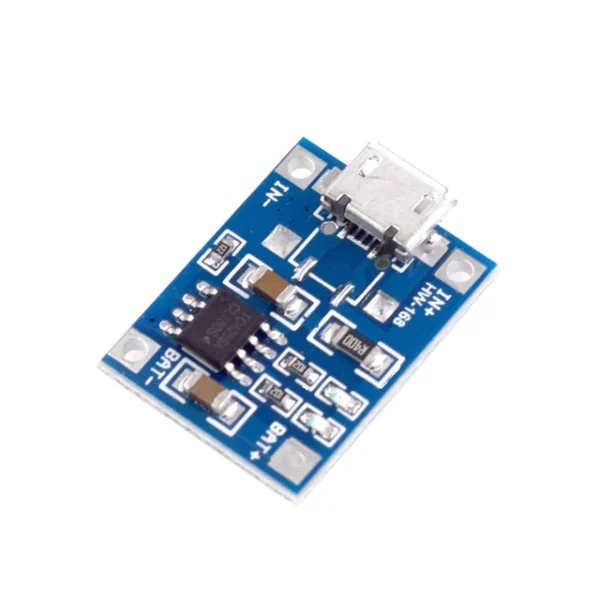 Micro Type-c USB 5V 1A TP4056 Lithium Battery Charger Module Charging Board With Protection Dual Functions Current Protection
$2.90
Micro Type-c USB 5V 1A TP4056 Lithium Battery Charger Module Charging Board With Protection Dual Functions Current Protection
$2.90
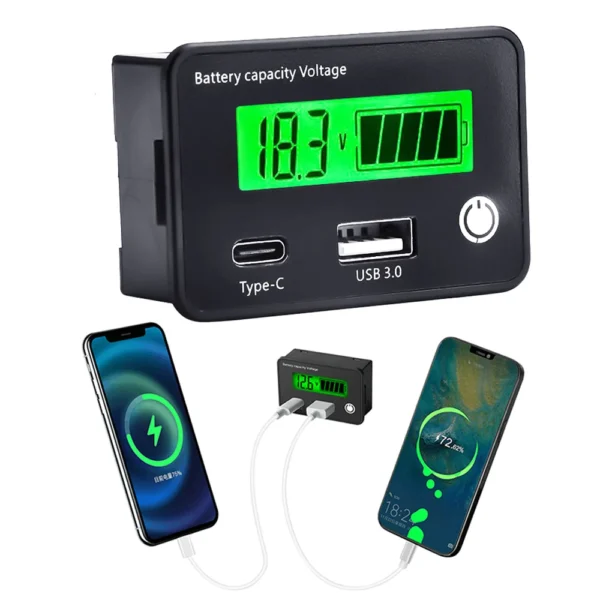 DC8-30V Battery Capacity Indicator Lead-Acid/Lron-Lithium/Ternary Lithium Measurement with USB3.0 and Tpye-C for Car Motorcycle
$7.90
DC8-30V Battery Capacity Indicator Lead-Acid/Lron-Lithium/Ternary Lithium Measurement with USB3.0 and Tpye-C for Car Motorcycle
$7.90
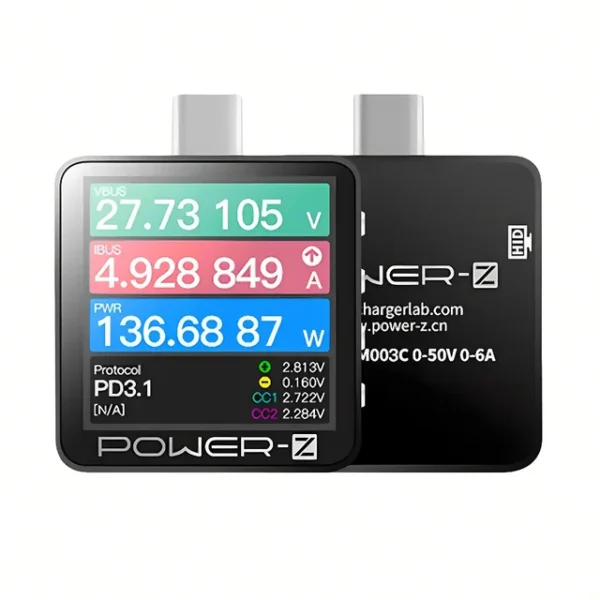 Power-Z KM003C Portable Type-C Fast Charging Tester PD3.1 QC5.0 240W Mxa Digital Voltmeter & Ammeter Power Bank Tester
$76.90
Power-Z KM003C Portable Type-C Fast Charging Tester PD3.1 QC5.0 240W Mxa Digital Voltmeter & Ammeter Power Bank Tester
$76.90
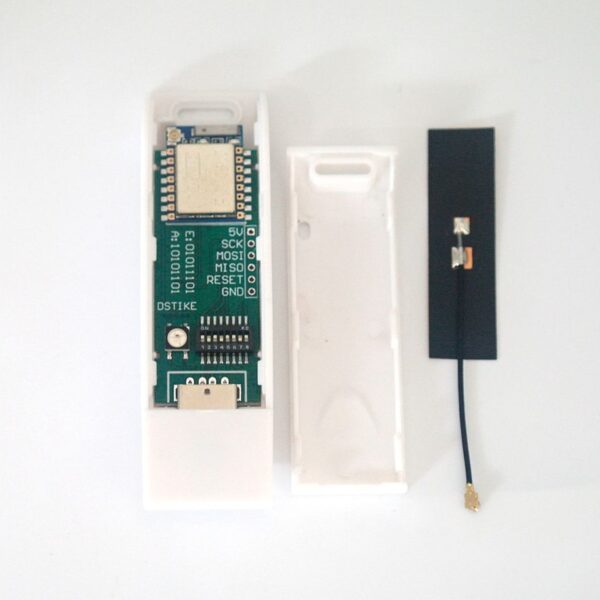 WIFI DUCK V3 Wireless HID Keystroke Injector
$25.90
WIFI DUCK V3 Wireless HID Keystroke Injector
$25.90
 AD9834 DDS Signal Generator Module Up to 37.5MHz Signal Sources Sine Triangle Square Wave Generator Frequency Module
$18.90
AD9834 DDS Signal Generator Module Up to 37.5MHz Signal Sources Sine Triangle Square Wave Generator Frequency Module
$18.90