Beyond the Basics: What is BT Epoxy and Why is It Critical for Modern Electronics?
In the realm of advanced printed circuit board (PCB) manufacturing, material selection is the single most critical determinant of a product’s reliability. While standard FR-4 (woven fiberglass and epoxy) dominates the general electronics market, it reaches its physical limits in high-density, high-frequency, and high-temperature applications.
Enter BT (Bismaleimide Triazine) Epoxy.
BT resin is a specialized thermosetting polymer formed by the reaction of bismaleimide and triazine. In PCB manufacturing, it is used as the core dielectric material, often reinforced with glass cloth or non-woven aramid fibers. It is the undisputed industry standard for IC substrates (such as CSP and BGA packages), high-frequency RF modules, and mission-critical automotive or medical electronics.
But why do hardware engineers and procurement managers specify BT epoxy despite its higher cost? The answer lies in its ability to solve three fundamental failure modes of modern electronics: thermal delamination, moisture-induced "popcorn" cracking, and high-frequency signal degradation.
The Material Science: Key Properties of BT Epoxy PCBs
To make informed design decisions, you must understand the specific material properties that make BT epoxy superior to standard laminates in demanding environments:
- High Glass Transition Temperature (Tg): BT epoxy typically exhibits a Tg of 180°C to 200°C (compared to 130°C–150°C for standard FR-4). This means the material remains rigid and dimensionally stable well beyond the peak temperatures of modern lead-free reflow soldering (which can reach 260°C).
- Low Coefficient of Thermal Expansion (CTE): BT resin has a remarkably low Z-axis CTE (typically < 40 ppm/°C below Tg). This minimizes the stress placed on plated through-holes (PTH) and microvias during thermal cycling, preventing barrel cracks and ensuring long-term electrical connectivity.
- Ultra-Low Moisture Absorption: BT epoxy absorbs less than 0.2% moisture by weight. In contrast, standard epoxies can absorb significantly more. This is critical for preventing the "popcorn effect"—where trapped moisture rapidly expands into steam during reflow soldering, causing internal delamination or package cracking.
- Stable Dielectric Properties: BT maintains a low and stable Dielectric Constant (Dk ≈ 3.5–3.8) and Dissipation Factor (Df ≈ 0.005–0.008) across a wide range of frequencies and temperatures, making it ideal for 5G, mmWave, and high-speed digital applications.
Top 3 Manufacturing Pain Points with BT Epoxy (And How We Solve Them)
While BT epoxy offers superior performance, it is notoriously more challenging to manufacture than standard FR-4. Attempting to process BT resin using standard FR-4 parameters is a leading cause of yield loss. Here is how a professional manufacturing partner mitigates these risks:
1. Drilling Difficulties and Smear Formation
The Pain Point: BT resin is highly cross-linked and mechanically tough. Standard drilling parameters can cause excessive heat buildup, leading to severe "resin smear" that covers the inner-layer copper pads. If not removed, this smear prevents proper electrical connection during plating.
Our Solution: We utilize specialized carbide drill bits, optimized spindle speeds, and feed rates specifically calibrated for BT materials. Furthermore, we employ an aggressive, multi-stage plasma desmear process (rather than standard chemical permanganate alone) to ensure 100% removal of resin smear and optimal micro-roughness for reliable copper plating adhesion.
2. Lamination and Bonding Challenges
The Pain Point: BT prepreg has different flow and curing characteristics compared to standard FR-4. Incorrect lamination profiles can result in voids, incomplete resin flow, or excessive thinning of the dielectric layer, which ruins impedance control.
Our Solution: Our CAM (Computer-Aided Manufacturing) engineers use proprietary lamination profiles tailored to the specific BT grade (e.g., Mitsubishi Gas Chemical’s BT-860 or similar). We carefully control the heating rate, pressure application, and cooling cycles to ensure a void-free, dimensionally stable multilayer stack-up.
3. Brittleness and Mechanical Stress
The Pain Point: The highly cross-linked nature of BT epoxy makes it inherently more brittle than standard FR-4. During depanelization (routing or V-scoring) or final assembly, excessive mechanical stress can cause micro-cracking in the substrate.
Our Solution: We optimize the panelization design to minimize stress concentrations. For assembly, we recommend and implement controlled routing processes and handle the bare boards with strict ESD and mechanical handling protocols to preserve structural integrity before and during turnkey PCB assembly.
BT Epoxy vs. Alternative High-Performance Materials
Choosing the right substrate requires balancing performance, manufacturability, and cost. Here is how BT epoxy compares to other common high-end materials:
Expert Insight: Do not confuse BT epoxy with ABF (Ajinomoto Build-up Film). While both are used in advanced packaging, ABF is the standard for high-layer-count, ultra-fine-pitch CPU/GPU substrates. BT epoxy is the dominant choice for lower-layer-count (2 to 6 layers), high-reliability CSP, BGA, and RF applications where mechanical rigidity and moisture resistance are paramount.
Strategic Applications: Where BT Epoxy PCBs Excel
Understanding where BT epoxy is required can help you validate your own design requirements. We routinely manufacture BT-based PCBs for:
- IC Packaging Substrates: Memory modules, image sensors, and RF transceivers utilizing Chip Scale Package (CSP) or Ball Grid Array (BGA) architectures.
- 5G and mmWave Communication: Antenna-in-Package (AiP) modules and RF front-end modules where stable Dk/Df is non-negotiable for signal integrity.
- Automotive Electronics: ADAS (Advanced Driver Assistance Systems) radar modules and under-hood control units that must survive extreme thermal cycling and high humidity.
- Medical Implants and Devices: Where ultra-low moisture absorption and long-term biocompatibility/stability are critical for patient safety.
Why Partner with a Professional BT Epoxy PCB Manufacturer?
Sourcing a BT epoxy PCB is not a commodity purchase; it is a strategic supply chain decision. The manufacturer you choose must possess the specific technical expertise to handle this demanding material without compromising yield or schedule.
We bridge the gap between advanced material science and scalable manufacturing reality. Our end-to-end capabilities ensure your high-reliability project succeeds at every stage:
- Expert DFM for Advanced Materials: Before production begins, our engineering team reviews your stack-up and design files specifically for BT resin compatibility. We verify trace/space tolerances, via-in-pad requirements, and thermal relief designs to prevent manufacturing defects.
- Seamless Prototyping to Turnkey Assembly: We don’t just fabricate the bare board. We offer complete turnkey PCB assembly manufacturing, managing your entire Bill of Materials (BOM), sourcing authentic components, and performing precision SMT or flip-chip assembly. This ensures the board you designed functions perfectly in the real world. Explore our integrated workflow: PCB Prototype & Turnkey PCB Assembly Manufacturing.
- Scalable OEM/ODM Bulk Production: When your design is validated, scaling up requires industrial-grade quality control. We adhere to strict IPC-6012 Class 2/3 standards, utilizing Automated Optical Inspection (AOI), X-ray inspection for BGA voids, and comprehensive electrical testing. We guarantee consistent quality and competitive pricing for high-volume runs. Request a detailed quote for your next large-scale project: OEM/ODM Bulk Inquiry.
Frequently Asked Questions (FAQ)
Q1: Can BT epoxy be used for multilayer PCBs, or is it only for single/double layers?
A: BT epoxy is extensively used for multilayer PCBs, typically ranging from 2 to 6 layers, and sometimes up to 8 layers in advanced IC substrate applications. However, multilayer BT requires precise control of the lamination profile to manage resin flow and ensure proper bonding between layers.
Q2: Is BT epoxy RoHS and REACH compliant?
A: Yes. Modern BT epoxy formulations used in professional PCB manufacturing are fully compliant with RoHS, REACH, and other major environmental and safety directives, making them suitable for global consumer, automotive, and medical markets.
Q3: How does the cost of a BT epoxy PCB compare to standard FR-4?
A: BT epoxy substrates are generally 20% to 50% more expensive than standard FR-4 due to the cost of the raw resin and the specialized manufacturing processes (e.g., plasma desmear, specialized drilling) required. However, for high-reliability applications, this cost is justified by the drastic reduction in field failure rates and warranty claims.
Q4: What surface finishes are compatible with BT epoxy PCBs?
A: BT epoxy is compatible with all standard high-reliability surface finishes, including ENIG (Electroless Nickel Immersion Gold), ENEPIG, Immersion Silver, and OSP. ENIG is the most common choice for BT substrates intended for BGA/CSP assembly due to its flat, highly solderable surface.
Build High-Reliability Electronics on the Right Foundation
The choice of substrate material dictates the ceiling of your product’s performance and reliability. While standard FR-4 is sufficient for many applications, pushing the boundaries of high-frequency, high-density, or high-temperature electronics demands the superior thermal and electrical properties of BT epoxy.
However, leveraging BT resin requires a manufacturing partner with proven expertise in handling its unique DFM challenges. Don’t leave your product’s reliability to chance or outdated manufacturing practices. Whether you need a fast-turn prototype to validate your latest RF architecture, or a trusted, scalable partner for high-volume, high-reliability OEM production, we have the engineering expertise and advanced equipment to deliver.

 MaTouch ESP32-S3 1.28" Rotary IPS-Display GC9A01
$32.90
MaTouch ESP32-S3 1.28" Rotary IPS-Display GC9A01
$32.90
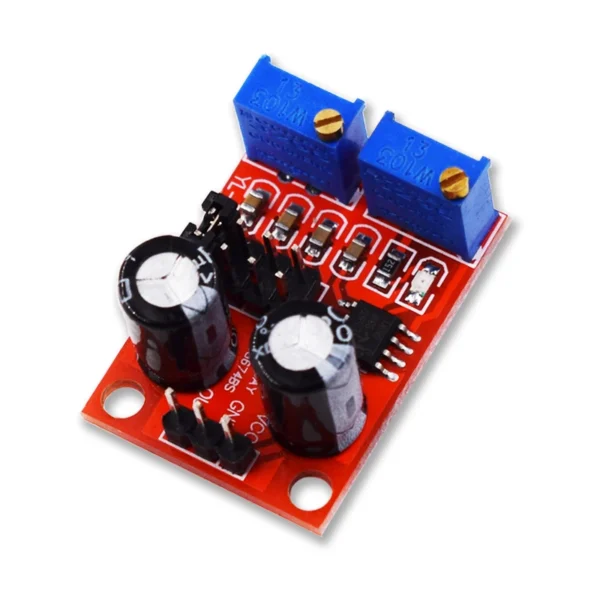 NE555 pulse frequency, duty cycle adjustable module,square/rectangular wave signal generator,stepping motor driver
$2.90
NE555 pulse frequency, duty cycle adjustable module,square/rectangular wave signal generator,stepping motor driver
$2.90
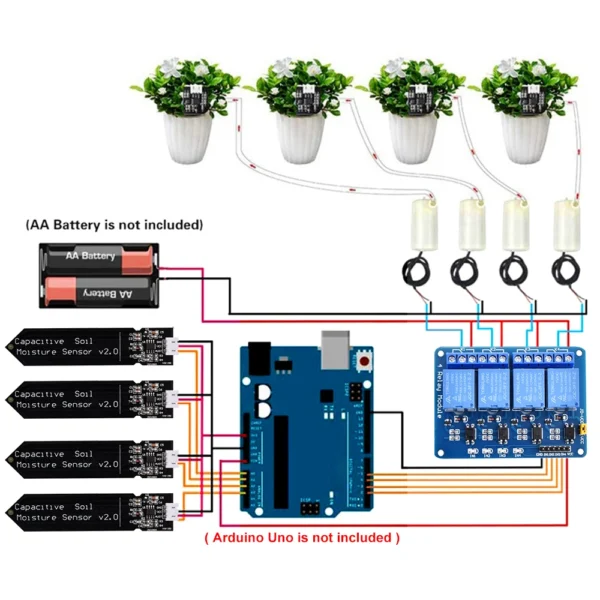 DIY Automatic Irrigation System Self Watering DIY Kit Garden Greenhouse Flower Water Pump Soil Moisture Sensor Relay Module
$10.90
DIY Automatic Irrigation System Self Watering DIY Kit Garden Greenhouse Flower Water Pump Soil Moisture Sensor Relay Module
$10.90
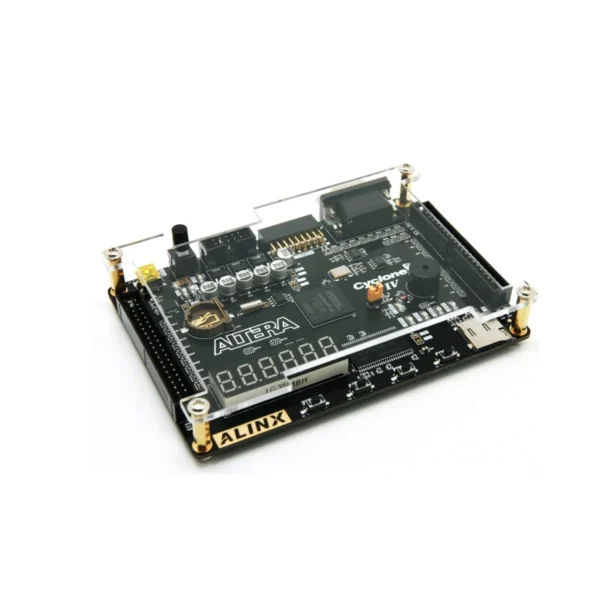 Alinx AX301 ALTERA FPGA Black Gold Development Board CYCLONE IV EP4CE6 with video tutorial
$97.60 – $159.80Price range: $97.60 through $159.80
Alinx AX301 ALTERA FPGA Black Gold Development Board CYCLONE IV EP4CE6 with video tutorial
$97.60 – $159.80Price range: $97.60 through $159.80
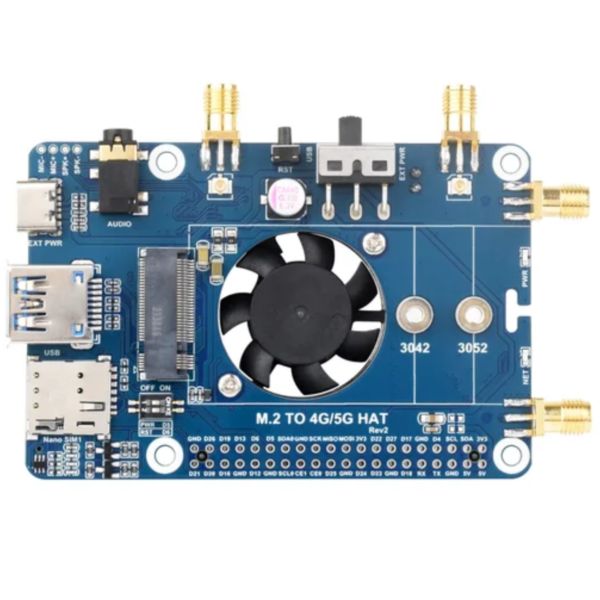 SIM7600G-H M.2 4G HAT, 4G/3G/2G Communication And GNSS Positioning for Raspberry Pi LTE
$95.90
SIM7600G-H M.2 4G HAT, 4G/3G/2G Communication And GNSS Positioning for Raspberry Pi LTE
$95.90