The Harsh Reality of Hardware Crowdfunding in 2026
Launching a hardware product on Kickstarter or Indiegogo is no longer just about having a great idea. In 2026, backers are savvy. They have been burned by delayed campaigns and vaporware. To win their trust (and their money), you must present a high-fidelity, fully functional prototype backed by a realistic, transparent manufacturing plan.
Many founders mistakenly believe they can build a prototype in a weekend. The reality is that a campaign-ready prototype—one that looks professional in a video, doesn’t crash during a live demo, and is based on a manufacturable design—requires a disciplined, accelerated development cycle.
The 90-Day Execution Blueprint: Week-by-Week
To hit a 90-day target, you cannot afford linear, water-fall development. You need parallel processing. Here is the proven framework we use to accelerate hardware development.
Phase 1: Weeks 1–2 | Architecture Freeze & Component Selection
The biggest cause of delay is changing your mind about core components mid-development.
- Action: Define the Product Requirements Document (PRD).
- Hardware Strategy: Choose proven, readily available System-on-Chips (SoCs). For IoT and smart display products in 2026, the ESP32-S3 is the industry gold standard. It offers built-in AI acceleration, rich peripheral interfaces for driving TFT/LCD/OLED screens, and robust Wi-Fi/Bluetooth connectivity, all at a highly scalable price point.
- Milestone: BOM (Bill of Materials) is frozen. No new major components are added after this point.
Phase 2: Weeks 3–5 | Rapid Prototyping & Firmware Foundation
This phase is about proving the core functionality and user experience.
- Hardware: Quick-turn PCB prototyping. We focus on getting the core circuitry right, even if the board shape isn’t final.
- Software/Firmware: Begin developing the core firmware. If your product includes a custom screen or display interface, this is when we implement lightweight GUI frameworks (like LVGL or SquareLine Studio) to ensure smooth animations and responsive touch controls on the ESP32 platform.
- Mechanical: 3D-printed enclosures (SLA or SLS for high-resolution finishes) are produced to test ergonomics and screen visibility.
- Milestone: A "Works-Like, Looks-Like" alpha prototype is assembled and tested internally.
Phase 3: Weeks 6–8 | Design for Manufacturing (DFM) Integration
A prototype that works on a desk often fails in mass production. This phase bridges the gap between engineering and the factory floor.
- Action: Redesign the PCB for manufacturability. This includes optimizing component placement for automated SMT (Surface Mount Technology) machines, adding fiducial marks, and ensuring proper thermal management.
- Supply Chain: Secure long-lead-time components. Verify that every chip on your BOM has a stable supply chain for the next 12–18 months.
- Milestone: A DFM-optimized Engineering Validation Test (EVT) build is completed. If you need reliable, fast-turn manufacturing to hit this deadline, leveraging a dedicated turnkey PCB prototype and assembly manufacturing service is critical to avoid weeks of delays from mismatched component sourcing.
Phase 4: Weeks 9–12 | Pre-Compliance & Campaign Asset Creation
Your prototype must survive the real world and look beautiful on camera.
- Testing: Conduct pre-compliance testing for FCC, CE, and RoHS. Fixing EMI (Electromagnetic Interference) issues after the campaign launches is a campaign-killer.
- Assets: Professional product photography and campaign video production are finalized using the EVT-level prototypes.
- Milestone: You have a campaign-ready prototype, a verified BOM with accurate per-unit costing, and a clear timeline for mass production.
3 Critical Pitfalls That Destroy Hardware Timelines
Even with a perfect plan, startups frequently stumble. Here is how to avoid the most common traps.
Pitfall 1: The "Frankenstein" Prototype Trap
Founders often wire together development boards, jumper cables, and external battery packs to save time. While this proves a concept, it cannot be used for a Kickstarter video, and it provides zero data on real-world power consumption or thermal performance.
- The Fix: Invest in a custom PCB from Day 1. Even a simple 2-layer board is infinitely more valuable for testing and marketing than a breadboard.
Pitfall 2: Underestimating Display and UI Complexity
If your product features a screen, the hardware is only half the battle. Poorly optimized firmware can lead to screen flickering, high power drain, and sluggish touch response—immediate red flags for backers.
- The Fix: Hardware and software must be co-designed. Our team specializes in custom screen and display hardware/software development, ensuring the ESP32’s resources are perfectly allocated to drive crisp, responsive user interfaces without compromising core IoT functionality.
Pitfall 3: Ignoring DFM Until After Funding
Designing a board that is cheap and easy to prototype is very different from designing a board that can be assembled by a factory at scale. If your factory has to manually solder components or your enclosure requires impossible tolerances, your per-unit cost will skyrocket, and your delivery dates will collapse.
- The Fix: Involve manufacturing engineers in the design review process before the campaign goes live.
Why Choosing the Right Development Partner is Your Biggest Leverage
As a founder, you have two choices: build an in-house team, or partner with a specialized product development agency.
Building an in-house team requires hiring a hardware engineer, a firmware developer, an industrial designer, and a supply chain manager. The recruitment process alone takes 3–6 months, not to mention the overhead of salaries, benefits, and management.
A turnkey product development partner provides all these disciplines under one roof, aligned to a single milestone-driven timeline. We act as an extension of your team, absorbing the technical risk so you can focus on marketing, community building, and your core business vision.
When you work with us, you are not just getting a schematic; you are getting a strategic partner who understands the unique pressures of crowdfunding and mass production.
Frequently Asked Questions (FAQ)
Q: Is it really possible to build a hardware product in 90 days?
A: Yes, but with conditions. It requires a clear, frozen scope, the use of proven modular components (like ESP32 series), and an experienced team that can execute parallel development tracks (hardware, firmware, and mechanical design happening simultaneously).
Q: How much does a Kickstarter-ready prototype cost?
A: Costs vary wildly based on complexity. A simple IoT sensor might cost $3,000–$5,000 in NRE (Non-Recurring Engineering) fees, while a complex product with a custom high-resolution display, enclosure tooling, and advanced firmware can range from $10,000 to $25,000+. We provide transparent, itemized quotes after an initial requirements review.
Q: Do you handle custom screen and display development?
A: Absolutely. A significant portion of our projects involve smart displays, dashboards, and custom UI interfaces. We provide end-to-end support, from selecting the right display panel (SPI, RGB, or MIPI) and designing the carrier board, to optimizing the firmware (e.g., LVGL) for smooth, low-power performance on ESP32 platforms.
Q: Can you help with FCC/CE certification?
A: Yes. We design with compliance in mind from the first schematic. We also facilitate pre-compliance testing and work with accredited labs to ensure your final product passes all necessary regulatory certifications for your target markets.
Ready to Turn Your Idea into Reality?
The clock is ticking on your product launch. Don’t waste months navigating fragmented freelancers or unmanufacturable designs. Partner with a team that has a proven track record of taking IoT and smart display products from concept to Kickstarter success.

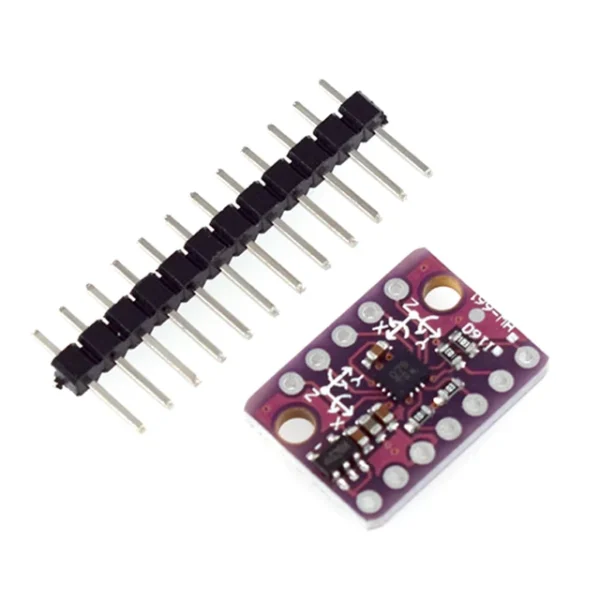 BMI160 GY-BMI160 6DOF 6-axis Rate Gyro Gravity Accelerometer Sensor Module IIC I2C SPI Communication Protocol 3-5V
$2.20
BMI160 GY-BMI160 6DOF 6-axis Rate Gyro Gravity Accelerometer Sensor Module IIC I2C SPI Communication Protocol 3-5V
$2.20
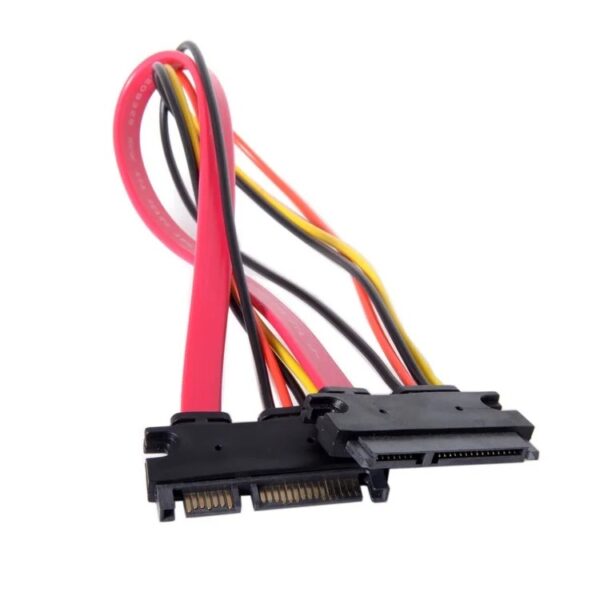 Banana Pi BPI 29cm 22P 7+15Pin SATA Data Power Combo Extension Cable,applies to BPI R64/W2
$6.50
Banana Pi BPI 29cm 22P 7+15Pin SATA Data Power Combo Extension Cable,applies to BPI R64/W2
$6.50
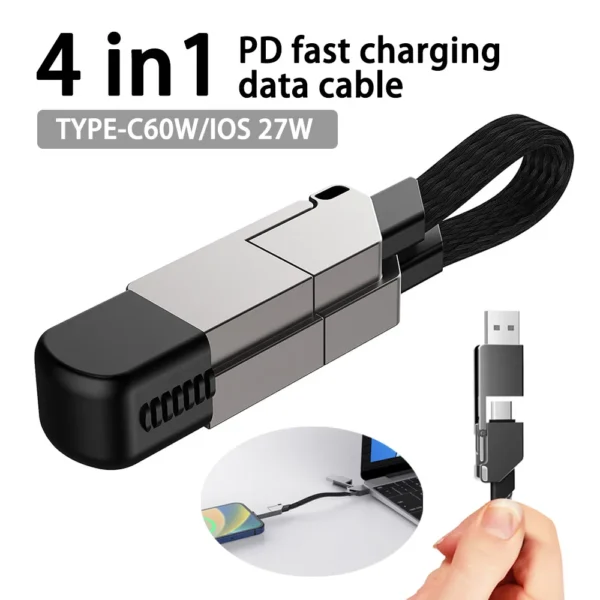 4 in 1 Multi Fast Charging Cable Keychain PD for iPhone Lightning 27W Andriod TYPE-C 60W QC 27W Fast Charging Data Cable Keychai
$6.90
4 in 1 Multi Fast Charging Cable Keychain PD for iPhone Lightning 27W Andriod TYPE-C 60W QC 27W Fast Charging Data Cable Keychai
$6.90
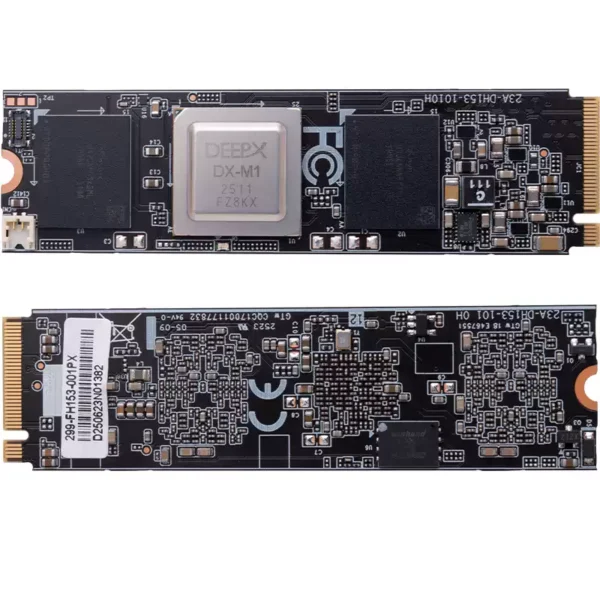 DeepX M1 AI Acceleration Module (M.2 Interface) – Low-Power Computing Expansion Card (25 TOPS) for Rockchip RK3588
$208.60
DeepX M1 AI Acceleration Module (M.2 Interface) – Low-Power Computing Expansion Card (25 TOPS) for Rockchip RK3588
$208.60
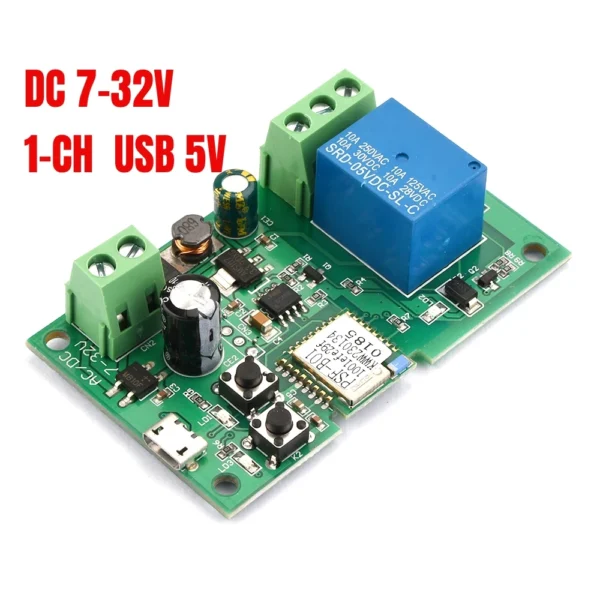 Ewelink Wifi RF Switch Module DC7-32V Wifi Relay Module Remote Control Self-lock Wireless Delay Relay for Smart Intelligent Home
$6.90
Ewelink Wifi RF Switch Module DC7-32V Wifi Relay Module Remote Control Self-lock Wireless Delay Relay for Smart Intelligent Home
$6.90