EMC/EMI Checklist Before Your Board Goes to Certification
EMC testing is expensive, and failing it is worse than the test fee — it costs you a respin, a
ESP32 TinyML is rapidly transforming how we approach machine learning and IoT applications. By integrating powerful ML capabilities into compact devices, developers can create smart applications that recognize objects and make intelligent decisions in real time. With the adoption of TensorFlow Lite Micro on the ESP32 platform, particularly the ESP32-S3, the power of machine learning is now more accessible and efficient than ever.
ESP32 TinyML is a combination of the ESP32 microcontroller's capabilities and the tiny machine learning frameworks that enable on-device processing of ML algorithms. The ESP32, known for its Wi-Fi and Bluetooth capabilities, serves as an excellent platform for running resource-efficient ML models. Unlike traditional machine learning, which often requires substantial computational resources and cloud-based processing, TinyML allows these tasks to be executed directly on the device. This not only reduces latency but also enhances privacy by eliminating the need to send sensitive data over the internet.
TensorFlow Lite Micro provides a streamlined version of the popular TensorFlow framework, specifically designed for microcontrollers and embedded systems. For those working with the ESP32, TensorFlow Lite Micro opens up a world of possibilities. Here are a few reasons to consider it for your projects:
1. Resource Efficiency: TensorFlow Lite Micro is optimized for low memory and power usage, making it perfect for the ESP32, which has limited processing capabilities compared to high-end servers.
2. Easy Integration: The framework seamlessly integrates with the ESP32 development environment, allowing developers to deploy machine learning applications without needing extensive knowledge in AI and ML.
3. Pre-trained Models: With access to numerous pre-trained models, developers can implement complex functionalities like object recognition quickly and effectively.
Implementing object recognition using the ESP32-S3 and TensorFlow Lite Micro involves several steps. Here’s a breakdown to get you started:
First and foremost, you'll need a suitable development environment. The Arduino IDE or PlatformIO are popular choices for coding ESP32 applications. Ensure you have the necessary libraries installed, including TensorFlow Lite Micro and the ESP32-specific libraries.
For object recognition, you should choose a TensorFlow Lite model appropriate for your application. Models trained on datasets such as COCO can recognize commonly used objects. You can also train a custom model depending on your specific needs.
Before deploying your model on the ESP32, you need to convert it into the TensorFlow Lite format. This involves the process of quantizing the model, which reduces its size and makes it more efficient for execution on low-power devices. Use the TensorFlow Lite Converter to perform this action.
Once your model is converted, you can load it onto the ESP32. The TensorFlow Lite Micro library provides convenient APIs to facilitate this. You'll also set up input and output tensors corresponding to your model's requirements.
Finally, test the implementation. Ensure that your ESP32-S3 can accurately recognize objects in real-time. Depending on your results, you might need to fine-tune your model or the data processing pipeline.
The integration of machine learning on compact devices like the ESP32-S3 has numerous real-world applications:
- Smart Home Automation: Use object recognition in home security systems, allowing devices to distinguish between family members and intruders.
- Agricultural Monitoring: Implement visual recognition for resource detection in farming, helping to identify crops and pests.
- Healthcare: Use object recognition in patient monitoring systems or automated inventory management in hospitals.
As the demand for smart, efficient devices grows, tools like ESP32 TinyML combined with TensorFlow Lite Micro will undoubtedly become integral to the development of next-generation applications. With ongoing advancements in hardware and software, embedding machine learning into even smaller devices will open new avenues in technology.
The ESP32 TinyML framework reduces the barrier to entry for utilizing machine learning in IoT devices significantly. By leveraging TensorFlow Lite Micro, developers can create innovative solutions that add value to everyday products. Whether you’re a hobbyist or a professional, integrating machine learning capabilities into your projects has never been more achievable. So grab your ESP32 and dive into the world of object recognition—all within the palm of your hand.
======================================
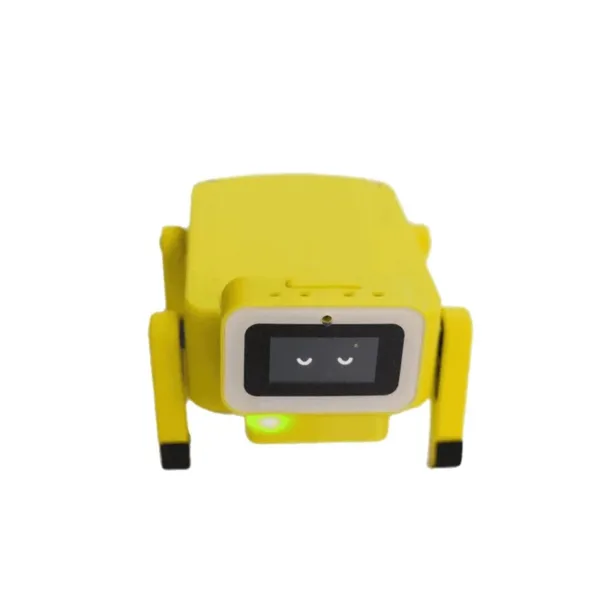 ABUO-ESP32-Hi Mechanical Dog ESP32 C3 Servo AI Voice Chat Development Board Support Deepseek Xiaozhi
 Orbbec Gemini 2 3D Camera, Active Stereo IR 30fps 0.15–10 m Depth, 91°×66° FOV, USB‑C, IMU, SDK Support for Robotics
$360.90
Orbbec Gemini 2 3D Camera, Active Stereo IR 30fps 0.15–10 m Depth, 91°×66° FOV, USB‑C, IMU, SDK Support for Robotics
$360.90
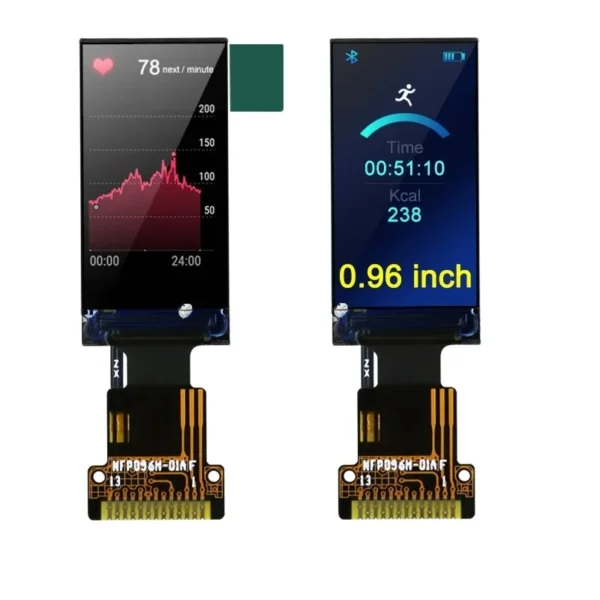 0.96 inch TN screen TFT color LCD display 4 Line SPI interface ST7735S driver chip
$2.90
0.96 inch TN screen TFT color LCD display 4 Line SPI interface ST7735S driver chip
$2.90
 Waveshare ESP32-S3 PhotoPainter: 7.3" E6 E-Paper Display in Wood Frame, 800×480, Ultra-Low Power
$84.80
Waveshare ESP32-S3 PhotoPainter: 7.3" E6 E-Paper Display in Wood Frame, 800×480, Ultra-Low Power
$84.80
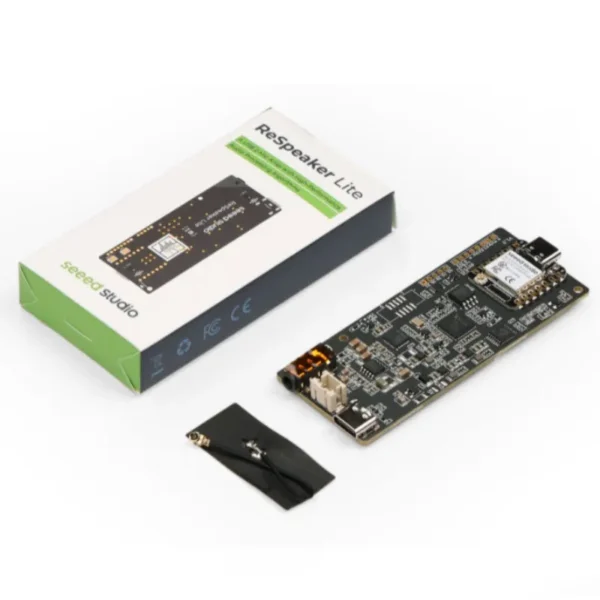 ReSpeaker Lite Voice Assistant Kit, ESPHome Assistant, 2 Mic Array with XIAO ESP32S3 pre-soldered, Mono Enclosed Speaker
$40.90 – $49.80Price range: $40.90 through $49.80
ReSpeaker Lite Voice Assistant Kit, ESPHome Assistant, 2 Mic Array with XIAO ESP32S3 pre-soldered, Mono Enclosed Speaker
$40.90 – $49.80Price range: $40.90 through $49.80
EMC testing is expensive, and failing it is worse than the test fee — it costs you a respin, a
We review a lot of boards — some designed in-house, some by other contractors, some by founders doing their own
When a battery-powered product dies too soon, the instinct is to blame the firmware. Surely there is a sleep mode
A wearable PCB is not just a small PCB. It is a board where every constraint that normally has some
The STM32 family is the workhorse of embedded hardware, and almost every project that uses one starts the same way:
The nRF52840 is one of the most popular BLE and multiprotocol chips in the world, and for good reason: it
No account yet?
Create an Account