
nRF52840 PCB Layout for BLE Products: Antenna, Matching, and Certification
The nRF52840 is one of the most popular BLE and multiprotocol chips in the world, and for good reason: it
Most people who approach a PCB design firm for the first time are not asking for a datasheet. They are asking a simpler, harder question: what is this going to cost me, and how long will it take?
That question is often met with "it depends," which is technically true and practically useless. So here is a straight account of what drives cost and timeline on a custom ESP32 board, and what a well-run project actually looks like from the client's side.
Custom hardware is priced by scope, and scope varies enormously. Two "ESP32 boards" can differ by an order of magnitude in effort:
The honest way to price is to define the deliverables, then quote. That is why a serious firm will ask for your schematic or product brief before giving a number — not to stall you, but because a number without scope is fiction.
Starting point. If you have a finished schematic and need layout, that is one scope. If you have a product idea and no circuit, that is a much larger one, because circuit design, module selection, and power architecture come first.
Complexity of the interfaces. A board with USB High-Speed, SDIO, or a display interface costs more in layout time than a board with UART and I2C, because those interfaces bring impedance control, length matching, and stackup decisions.
RF and mechanical constraints. Antenna placement, enclosure fit, and connector positioning add iteration. If the antenna needs to be verified or an external antenna is required, that is additional scope.
Deliverables. Source files, Gerbers, assembly drawings, a component list, design notes — the more you need handed over, the more work is involved, and the more clearly it should be agreed up front.
Revisions. A revision or two within the agreed scope is normal. Repeated rework caused by changing requirements is a change of scope, and should be handled as such rather than absorbed silently.
Timelines follow the same logic. A carrier-board layout can move quickly once files are in hand. A full product design with circuit, layout, and prototype preparation takes longer, and the calendar is shaped as much by decisions and feedback as by engineering hours.
The two biggest schedule risks on any project are not technical:
This is why the first thing a good process does is fix the scope and the deliverables in writing. It is not bureaucracy; it is the single largest lever on both cost and schedule.
If a firm cannot tell you what you will receive, when, and under what revision process before taking your money, that is the thing to fix first.
The more of this you bring, the more accurate the quote and the shorter the path to it.
Our PCB layout service is for projects that start from an existing schematic — we handle placement, routing, and the fabrication and assembly outputs, and agree the deliverables, price, and schedule before work begins. Our ESP32 PCB Design service is for projects that start earlier, from a product brief, through module selection, circuit design, layout, and prototype handoff.
Either way, you should expect a defined scope, a written deliverable list, and a clear revision process — and you can contact us to discuss your project and receive a quotation.
Once the design is complete, our online PCB and PCBA ordering handles fabrication and assembly: upload Gerbers, configure material, layer count, surface finish, and impedance control, and get a quote that reflects your actual board.
Custom ESP32 board cost and timeline are driven by scope, not by a rate card: your starting point, your interfaces, your RF and mechanical constraints, your deliverables, and how much of it you have decided before design starts. Agree the deliverables in writing, come prepared with files and constraints, and keep feedback cycles short. Do those three things and the project is predictable; skip them and no quote will hold.
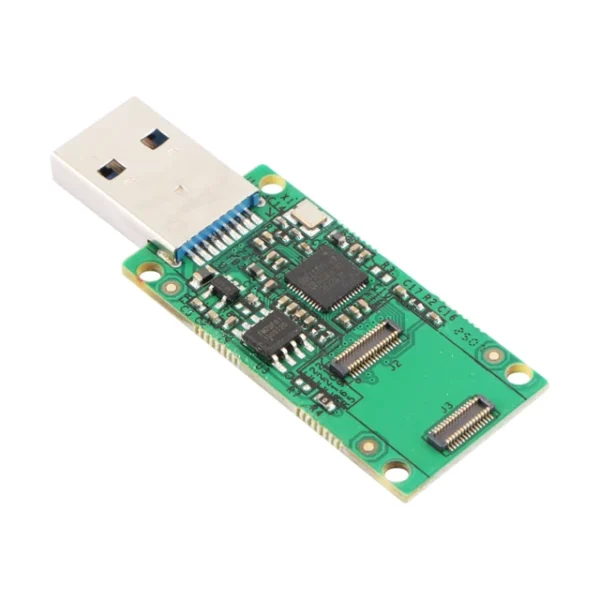 Radxa eMMC USB3 Reader Designed for Radxa SBCs
$14.90
Radxa eMMC USB3 Reader Designed for Radxa SBCs
$14.90
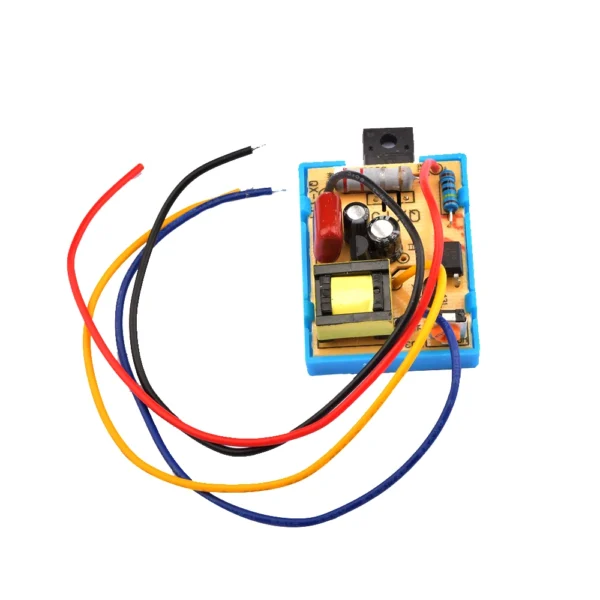 Universal 14-60 inch LCD TV Switch Flyback Power Supply module DC 5-24V EVD Power Supply Receiver
$2.80
Universal 14-60 inch LCD TV Switch Flyback Power Supply module DC 5-24V EVD Power Supply Receiver
$2.80
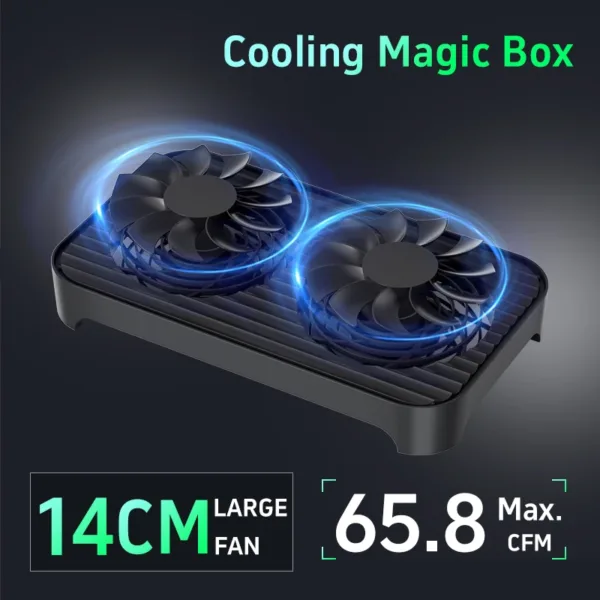 Z-X4 14cm dual fans low noise stackable using Router/Miniature Chassis Radiator Base USB interface 65.8CFM/18dBA
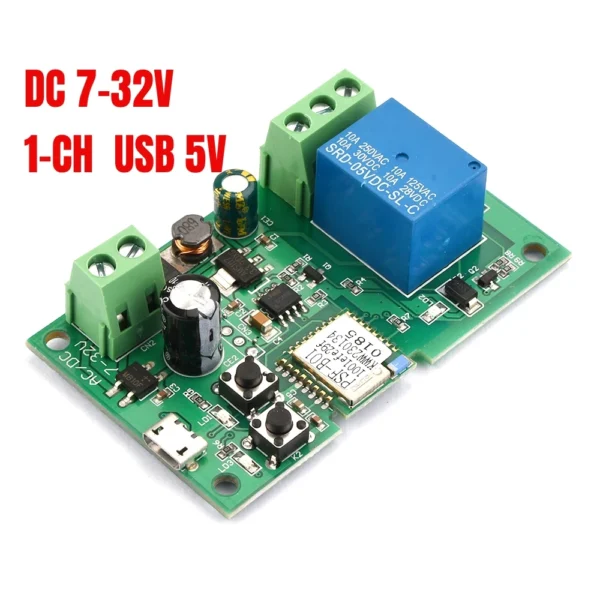 Ewelink Wifi RF Switch Module DC7-32V Wifi Relay Module Remote Control Self-lock Wireless Delay Relay for Smart Intelligent Home
$6.90
Ewelink Wifi RF Switch Module DC7-32V Wifi Relay Module Remote Control Self-lock Wireless Delay Relay for Smart Intelligent Home
$6.90
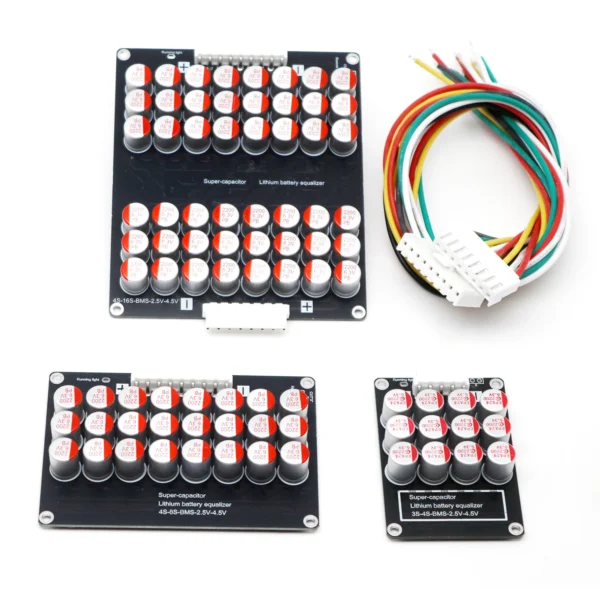 4S 8S 16S 6A Active Equalizer Lithium Battery Balancer Energy Transfer 10S 13S 14S Lifepo4 Li-ion 12V 24V 36V 48V BMS Protection
$12.90 – $25.90Price range: $12.90 through $25.90
4S 8S 16S 6A Active Equalizer Lithium Battery Balancer Energy Transfer 10S 13S 14S Lifepo4 Li-ion 12V 24V 36V 48V BMS Protection
$12.90 – $25.90Price range: $12.90 through $25.90
The nRF52840 is one of the most popular BLE and multiprotocol chips in the world, and for good reason: it
The ESP32-C6 looks, at first glance, like a small update to the ESP32 family. It has more radios, a newer
Most teams frame this as a salary-versus-invoice decision. A layout engineer costs a certain amount per year; a layout shop
Choosing a PCB design service for an IoT product is harder than choosing one for a simple board, because an
If you have ever asked three layout shops for a quote on the same board and gotten three wildly different
Your firmware works. The serial log prints clean, the sensor reads true, and the board boots every time. Then you
No account yet?
Create an Account