
EMC/EMI Checklist Before Your Board Goes to Certification
EMC testing is expensive, and failing it is worse than the test fee — it costs you a respin, a
The ESP32 brownout fix is a common concern among developers and hobbyists using this powerful microcontroller. Frequent rebooting or unexpected restarts can be frustrating, especially if they disrupt your project's performance. Brownout conditions typically arise when the voltage supply to the ESP32 falls below the required threshold, causing it to reset. Understanding the root causes of these power problems and how to mitigate them is essential for anyone working with this versatile device.
Before diving into solutions, it’s crucial to understand what the ESP32 brownout detector is and how it functions. This built-in feature monitors the voltage supplied to the microcontroller. When the supply voltage drops below a certain level—typically around 2.5V—the brownout detector triggers a reset. This is a safety mechanism designed to protect the device from malfunctioning due to insufficient power.
While this feature is advantageous in many cases, it can lead to frequent resets if power supply issues are not addressed promptly. Thankfully, several straightforward methods can be employed to resolve these issues, allowing for a more stable performance of your ESP32 projects.
Several factors can lead to power problems with the ESP32. Identifying these causes is the first step in implementing an effective ESP32 brownout fix. Here are some of the common culprits:
1. Inadequate Power Supply: One of the most frequent causes of brownouts is using an insufficient power supply. The ESP32 typically requires a minimum voltage of 3.0V to 3.3V. If the supply falls below this threshold, the brownout detector will activate.
2. Voltage Drops: Sudden drops in voltage can occur due to various factors, including inrush currents from additional connected components or inconsistent power sources.
3. Insufficient Capacitive Decoupling: Without proper decoupling capacitors, voltage fluctuations can adversely affect the ESP32's performance. Decoupling capacitors help to stabilize the voltage supply and can mitigate brownout conditions.
Now that we’ve identified some common power problems, let's explore effective solutions to address them. Implementing these strategies can significantly enhance the stability and reliability of your ESP32 projects.
One of the simplest and most effective ways to tackle brownout issues is to ensure you are using an adequate power supply. A more robust source can handle the current requirements of the ESP32, especially when peripherals are attached. Consider using a power supply rated for at least 1A at 3.3V, as this provides enough headroom for the device during peak usage.
Sometimes, adding a capacitor can stabilize your voltage supply. Placing a capacitor (e.g., a 100µF electrolytic capacitor) between the power and ground pins near the ESP32 can help absorb transient voltage changes. Ensure that the capacitor is rated for at least 6.3V or higher to withstand any potential surges.
If you are powering the ESP32 through a battery or an inconsistent power source, using a voltage regulator can be a game-changer. These regulators can provide consistent output voltage despite variations in input voltage, thus helping to prevent brownouts.
Another advanced technique is adjusting the parameters of the brownout detector directly in your firmware. The ESP32 allows you to configure the brownout threshold in the code. This adjustment can provide a little more leeway for your power requirements. However, be cautious with this approach; setting it too low might risk operating your microcontroller outside its safe limits.
Sometimes, the simplest solution lies in poor connections. Loose wires or substandard soldering can lead to intermittent power issues. Ensure all your connections are solid, and consider using thicker wires for power supply when dealing with substantial current loads.
Monitoring your ESP32 during operation can also help diagnose brownout issues. Tools like oscilloscopes or multimeters can help you measure voltage levels and identify fluctuations in real time. Doing so will allow you to implement solutions more precisely based on empirical data.
Addressing ESP32 power problems doesn’t have to be daunting. By understanding the root causes behind brownout conditions and applying these effortless fixes, you can maintain a stable performance for your projects. It's essential to ensure your power supply meets the requirements of the ESP32 and to implement additional stabilization techniques as needed. With these strategies in your toolkit, you'll be able to enjoy the full potential of your ESP32 without the worry of frustrating resets. Happy coding!
======================================
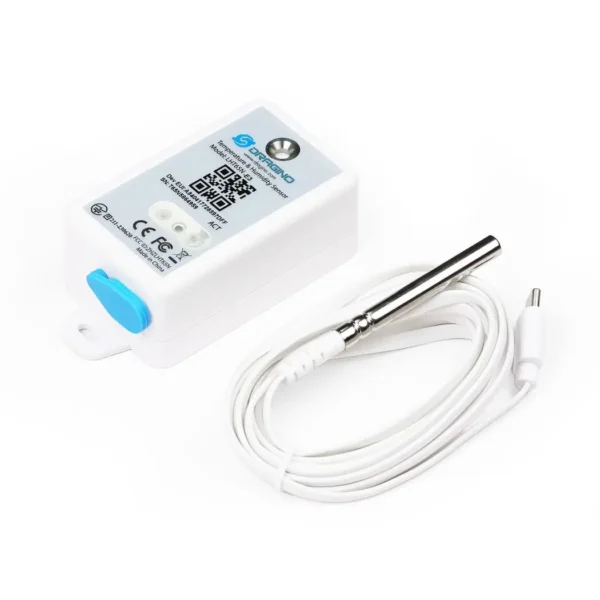 LHT65N LoRaWAN Temperature & Humidity Sensor - 868MHz
$57.90
LHT65N LoRaWAN Temperature & Humidity Sensor - 868MHz
$57.90
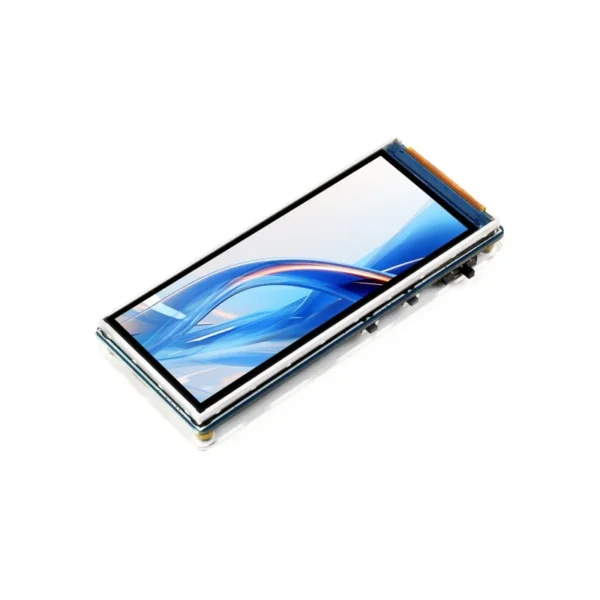 ESP32-S3 3.16inch Display Development Board, 320×820 Pixels, 262K Color, 32-bit LX7 Dual-core Processor, Up to 240MHz Frequency
$18.90
ESP32-S3 3.16inch Display Development Board, 320×820 Pixels, 262K Color, 32-bit LX7 Dual-core Processor, Up to 240MHz Frequency
$18.90
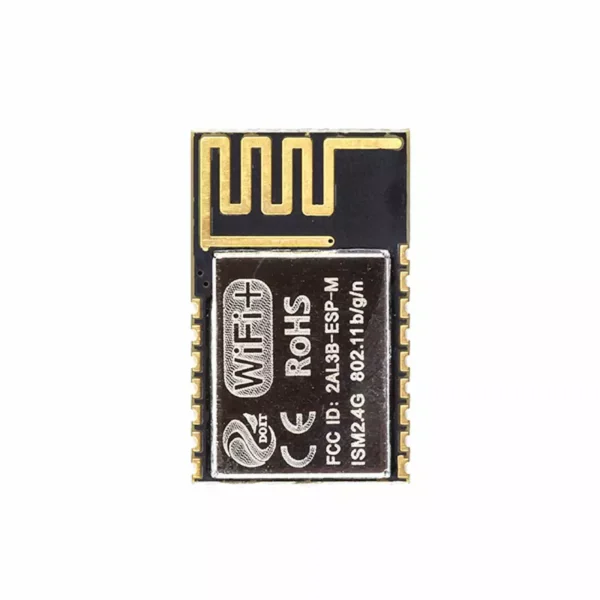 ESP-M2 serial WiFi wireless module, ESP8285 compatible with ESP8266/FCC/CE/SRRC certifications
$2.80 – $3.00Price range: $2.80 through $3.00
ESP-M2 serial WiFi wireless module, ESP8285 compatible with ESP8266/FCC/CE/SRRC certifications
$2.80 – $3.00Price range: $2.80 through $3.00
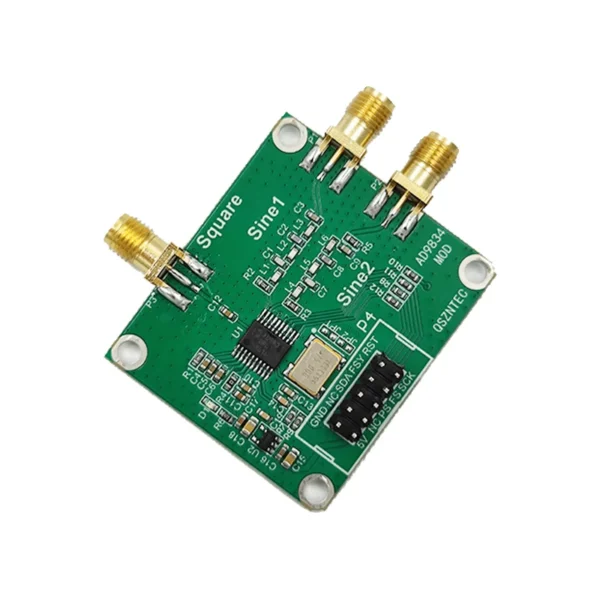 AD9834 DDS Signal Generator Module Up to 37.5MHz Signal Sources Sine Triangle Square Wave Generator Frequency Module
$18.90
AD9834 DDS Signal Generator Module Up to 37.5MHz Signal Sources Sine Triangle Square Wave Generator Frequency Module
$18.90
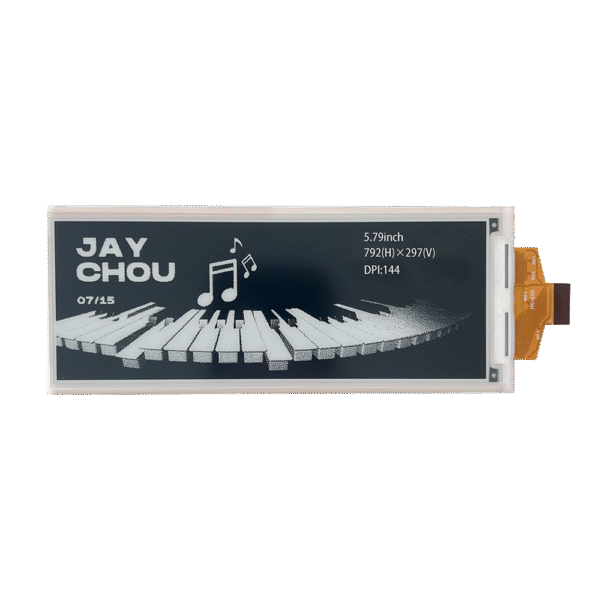 5.79 Inch Black White Epaper Display
$17.00
5.79 Inch Black White Epaper Display
$17.00
EMC testing is expensive, and failing it is worse than the test fee — it costs you a respin, a
We review a lot of boards — some designed in-house, some by other contractors, some by founders doing their own
When a battery-powered product dies too soon, the instinct is to blame the firmware. Surely there is a sleep mode
A wearable PCB is not just a small PCB. It is a board where every constraint that normally has some
The STM32 family is the workhorse of embedded hardware, and almost every project that uses one starts the same way:
The nRF52840 is one of the most popular BLE and multiprotocol chips in the world, and for good reason: it
No account yet?
Create an Account