
EMC/EMI Checklist Before Your Board Goes to Certification
EMC testing is expensive, and failing it is worse than the test fee — it costs you a respin, a
ESP32 to ESP32 BLE communication has revolutionized the way devices connect wirelessly, offering a streamlined experience with advanced capabilities. Known for its powerful hardware and enhanced connectivity options, the ESP32 microcontroller makes secure, seamless pairing a reality. In this article, we explore the essentials of Bluetooth Low Energy (BLE) on ESP32, delve into secure simple pairing mechanisms, and touch upon using the ESP32 for Bluetooth Human Interface Devices (HID).
Bluetooth Low Energy (BLE) is a cornerstone of modern wireless communication, designed for low power consumption and swift data exchange. The ESP32, with its integrated Bluetooth capabilities, makes implementing BLE straightforward and efficient. Its dual-core processor, memory, and peripheral interfaces position the ESP32 as a leading choice for IoT applications requiring robust BLE communication.
Connecting two ESP32 devices via BLE involves establishing a master-slave relationship. Typically, one device acts as the central (master) while the other assumes the role of a peripheral (slave). This arrangement facilitates secure data transfer, sensor readings, and more.
Secure simple pairing is pivotal in modern BLE interactions, prioritizing user safety and data integrity. With the widespread use of BLE in sensitive applications, such as health monitoring systems and smart devices, ensuring a secure connection is vital.
ESP32's support for secure simple pairing means that users can effortlessly establish a trusted connection between two devices. The pairing process involves several methods, including Just Works, Numeric Comparison, Passkey Entry, and Out of Band (OOB). Each method offers varying levels of security depending on the application requirements.
For ESP32 to ESP32 BLE, implementing secure simple pairing requires careful selection of the most appropriate method based on the specific use case and the primary objective of safeguarding the communication channel from unauthorized access or data leaks.
Another fascinating aspect of the ESP32’s BLE capability is its role in creating Bluetooth HID devices. Bluetooth HID refers to devices like keyboards, mice, and game controllers that interface with computers or smartphones wirelessly.
Transforming an ESP32 into a Bluetooth HID can be a game-changer for hobbyists and developers seeking seamless device integration. It requires utilizing the ESP32’s BLE stack and its predefined HID service profiles. The process involves coding the device behavior to respond like a traditional HID device, whether sending keyboard strokes, mouse movements, or controlling a game console.
This functionality opens avenues for creative projects and commercial applications, from building custom remote controls to developing portable input devices.
To harness the full potential of ESP32 to ESP32 BLE, developers should focus on the following best practices:
1. Optimal Power Management: BLE is designed for low power consumption, but efficient power management is crucial for prolonging battery life in portable devices. Use sleep modes and optimize code to ensure power efficiency.
2. Effective Data Handling: Pay attention to data packaging and transmission rates. This ensures speedy and reliable performance, particularly important in applications where latency must be minimized.
3. Security First: Prioritize secure simple pairing protocols to protect data. Regularly update the device firmware to combat vulnerabilities and stay up-to-date with the latest security standards.
4. Community Resources: Leverage the robust ESP32 developer community. Numerous tutorials, libraries, and forums can offer valuable insights and troubleshooting tips.
5. Experimentation and Exploration: Finally, don’t hesitate to delve into the wide array of possibilities the ESP32 offers. Experiment with various BLE applications, and explore integrations with other technologies to expand your projects’ capabilities.
By mastering the ESP32’s BLE capabilities, enthusiasts and professionals alike can push the boundaries of what’s possible with wireless communication, ensuring secure and efficient connections across an array of devices and applications. Whether it's through implementing secure pairing or developing HID devices, the ESP32 remains a versatile and powerful tool in modern technology landscapes.
======================================
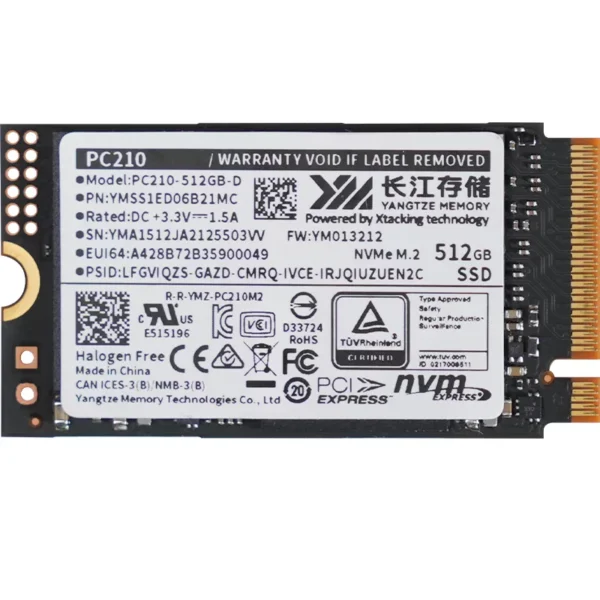 Changjiang 512GB M.2 SATA 2242 SSD
$99.70
Changjiang 512GB M.2 SATA 2242 SSD
$99.70
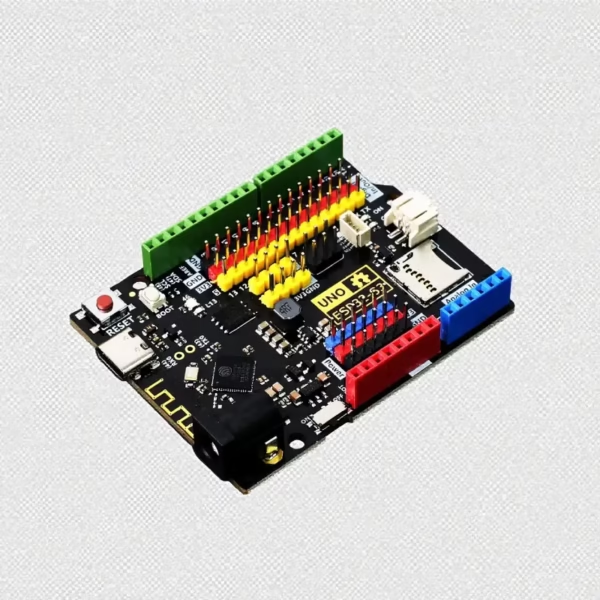 ESP32-S3 Development Board, Arduino UNO Compatible
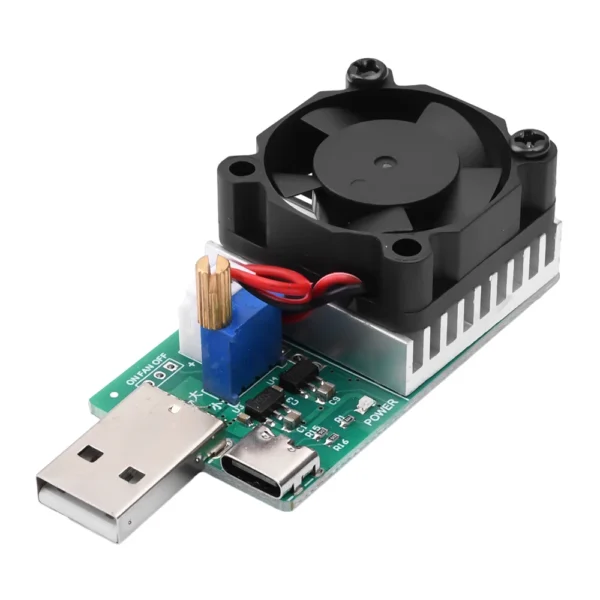 15W 18W 22.5W DC 3.7V-13V Electronic Test Load Resistor USB Battery Discharge Capacity Tester with Fan Adjustable Current Module
$5.90 – $6.20Price range: $5.90 through $6.20
15W 18W 22.5W DC 3.7V-13V Electronic Test Load Resistor USB Battery Discharge Capacity Tester with Fan Adjustable Current Module
$5.90 – $6.20Price range: $5.90 through $6.20
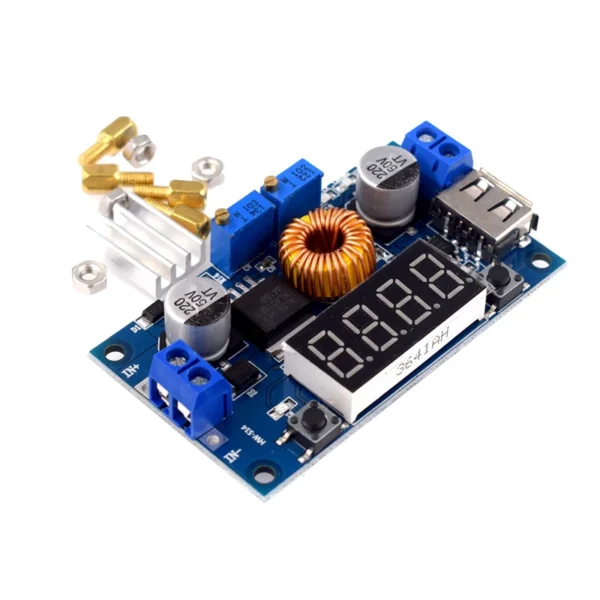 XL4015 75W DC-DC 5A Overtemperature protection Voltage Regulators Module Adjustable Buck Module With Voltmeter Display USB Port
$3.90
XL4015 75W DC-DC 5A Overtemperature protection Voltage Regulators Module Adjustable Buck Module With Voltmeter Display USB Port
$3.90
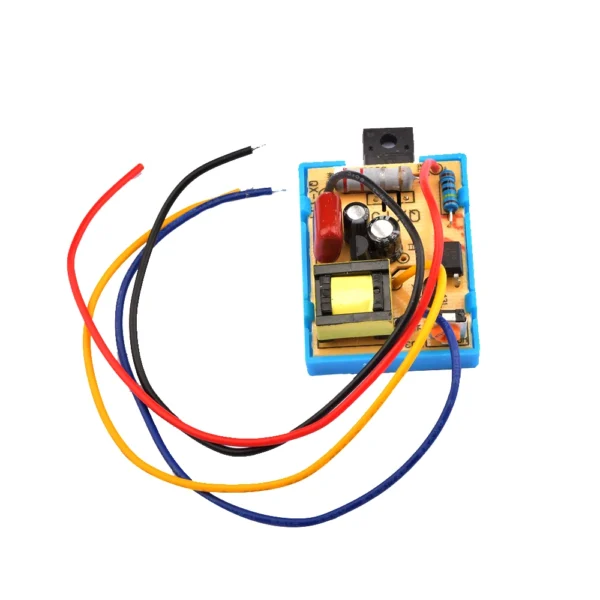 Universal 14-60 inch LCD TV Switch Flyback Power Supply module DC 5-24V EVD Power Supply Receiver
$2.80
Universal 14-60 inch LCD TV Switch Flyback Power Supply module DC 5-24V EVD Power Supply Receiver
$2.80
EMC testing is expensive, and failing it is worse than the test fee — it costs you a respin, a
We review a lot of boards — some designed in-house, some by other contractors, some by founders doing their own
When a battery-powered product dies too soon, the instinct is to blame the firmware. Surely there is a sleep mode
A wearable PCB is not just a small PCB. It is a board where every constraint that normally has some
The STM32 family is the workhorse of embedded hardware, and almost every project that uses one starts the same way:
The nRF52840 is one of the most popular BLE and multiprotocol chips in the world, and for good reason: it
No account yet?
Create an Account