The Gap Between Prototype and Production
In the rapidly evolving landscape of Edge AI and IoT vision, the ESP32 platform has become a cornerstone for developers. Its combination of Wi-Fi, Bluetooth, and dual-core processing makes it ideal for smart home security, industrial monitoring, and agricultural sensors.
However, any engineer who has moved beyond the initial "blink an LED" phase knows a harsh truth: getting an ESP32 camera to work on a breadboard is trivial; getting it to work reliably in a sealed, solar-powered, outdoor enclosure for 5 years is an engineering nightmare.
At ESP32S.com, we don't just sell camera modules; we solve the integration failures that kill commercial projects. We see the same patterns repeatedly: clients sourcing cheap, unverified modules only to face EMC failures, thermal shutdowns in summer, or driver incompatibilities that delay their product launch by months.
This article is not a tutorial on how to flash firmware. It is a deep dive into the industrial realities of deploying ESP32-based vision systems, and how partnering with a specialized supplier bridges the gap between a fragile prototype and a robust, market-ready product.
1. The Sensor Selection Trap: Why "Higher Megapixels" Isn't Always Better
One of the most common mistakes in commercial IoT vision is over-specifying the image sensor. Engineers often default to the highest resolution available (e.g., OV5640 5MP) assuming it provides future-proofing. In reality, this often introduces catastrophic power and thermal issues.
The Engineering Reality: A 5MP sensor requires significantly more bandwidth and processing power than a 2MP OV2640. On an ESP32-S3, pushing 5MP frames at high FPS can saturate the PSRAM bus, cause frame drops, and increase current draw by 30-50%. For a battery-powered device, this difference can mean the difference between a 6-month lifespan and a 2-week lifespan.
Furthermore, higher-resolution sensors often have smaller pixel pitches, making them far more sensitive to lens quality and IR-cut filter alignment. A slight manufacturing tolerance issue that is invisible at 2MP becomes a blurry, unusable image at 5MP.
How ESP32S.com Guides Your Selection: We maintain an extensive catalog of ESP32 camera modules spanning multiple sensor types (OV2640, OV5640, GC0308, etc.). But more importantly, our team helps you match the sensor to your actual use case.
- For facial recognition at 2 meters: An OV2640 is often superior due to better low-light performance and lower power.
- For license plate capture at 5 meters: An OV5640 with a motorized focus lens may be necessary.
- For ultra-low power always-on detection: We recommend specialized low-power sensors paired with ESP32-S3's ULP coprocessor.
We don't just ship boxes; we ensure the silicon matches your system architecture.
2. Power Integrity: The Silent Killer of Outdoor Vision Systems
ESP32 cameras are notorious for brownout resets. The WiFi radio alone can draw 200mA+ during transmission, and when combined with the camera sensor's peak current during frame capture, voltage rails can sag below the 2.7V threshold, causing silent reboots.
The Pain Point: Generic development boards often lack adequate decoupling capacitors near the camera connector and use thin PCB traces for power delivery. This is acceptable for USB-powered desk prototypes but fatal for solar/battery deployments where voltage fluctuates.
- Optimized PCB Layout: Thick power planes and strategic via stitching minimize impedance.
- Local Decoupling: High-frequency ceramic capacitors placed within 2mm of the sensor VDD pin to handle transient spikes.
- Brownout Detector Tuning: We pre-configure BOD levels appropriate for Li-ion/LiFePO4 battery curves, preventing nuisance resets while still protecting the hardware.
When you source from us, you're getting a module that won't reboot every time the WiFi transmits a JPEG.
3. Certification & Compliance: Avoiding the $50K Redesign
You've built your smart doorbell or industrial monitor. You're ready for FCC/CE testing. Then the lab report comes back: FAIL. Radiated emissions exceed limits by 8dB at 2.4GHz.
Why This Happens: Camera modules are high-speed digital devices. The parallel data lines between the sensor and ESP32 act as antennas if not properly terminated and shielded. Hobbyist modules rarely include series termination resistors or ground plane shielding under the flex cable. Fixing this post-design often requires a complete PCB respin—a $10K-$50K mistake.
The ESP32S.com Advantage: We design for compliance from day one. Our modules feature:
- Controlled Impedance Traces: Data lines are routed with proper termination to minimize reflections.
- Shielded Flex Cables: Metal-backed FPCs prevent the camera ribbon from radiating noise.
- Pre-Compliance Testing: We perform in-house EMC scans before releasing new designs, so you know what to expect in the lab.
4. Customization: When Off-the-Shelf Doesn't Fit
Standard ESP32-CAM form factors are great for learning, but commercial products have unique constraints. Maybe you need a right-angle lens mount to fit a slim enclosure. Maybe you need a custom FPC length to route around a battery pack. Maybe you need IP67-rated conformal coating for outdoor deployment.
The Industry Gap: Large distributors demand 10K MOQs for customization. Small shops can't engineer custom solutions. Mid-sized innovators are stuck.
Our Customization Framework: At ESP32S.com, we specialize in bridging this gap with flexible engineering services:
- Custom FPC Design: Modify connector orientation, length, and pinout to match your mainboard layout perfectly.
- Lens & Optics Tuning: Swap standard lenses for M12 mounts, fisheye, telephoto, or IR-pass filters based on your FOV requirements.
- Firmware Co-Development: We don't just provide hardware. Our team can deliver optimized drivers, RTOS integration, and AI model deployment support tailored to your specific sensor-module combination.
- Environmental Hardening: Conformal coating, potting, and extended temperature range components (-40°C to +85°C) for harsh environments.
5. Supply Chain Stability: The Hidden Risk in Component Sourcing
The electronics supply chain remains volatile. Nothing destroys a product roadmap faster than your camera sensor going End-of-Life (EOL) without notice, or a batch of modules arriving with inconsistent quality.
Why Specialized Suppliers Matter: Generalist brokers source from spot markets with no lifecycle visibility. At ESP32S.com, we maintain direct relationships with sensor manufacturers and assembly partners. This means:
- Lifecycle Transparency: We proactively notify you of EOL dates and offer validated drop-in replacements.
- Batch Consistency: Every module undergoes automated optical inspection (AOI) and functional testing before shipping. Batch A and Batch Z perform identically.
- Long-Term Availability: We stock critical components and plan procurement cycles aligned with your product lifecycle, not just our sales targets.
For industries like security, healthcare, or industrial automation, where devices are deployed for 7-10 years, this consistency isn't optional—it's contractual.
6. Real-World Application: Solar-Powered Wildlife Monitoring
Let's examine a real deployment scenario that highlights these principles.
The Challenge: A conservation tech client needed a solar-powered wildlife camera trap. Requirements: 2-year battery life, trigger in <200ms, survive -20°C winters, and transmit images via LoRa/WiFi hybrid.
The Initial Failure: They used a generic ESP32-CAM with OV5640. Results: Battery lasted 3 weeks. Winter temperatures caused sensor initialization failures. WiFi transmission triggered brownouts.
- Sensor Downgrade: Switched to OV2640 for 40% lower active power and better low-light sensitivity.
- Power Architecture: Provided a custom module with enhanced decoupling and integrated boost converter optimized for LiFePO4 chemistry.
- Cold-Start Firmware: Delivered modified boot sequence with extended sensor warm-up timing for sub-zero operation.
- Custom Enclosure Integration: Designed right-angle FPC to fit ultra-slim waterproof housing.
Result: Device achieved 18-month field life (exceeding 12-month target), 99.2% trigger reliability at -20°C, and zero brownout events.
Precision Over Convenience
ESP32-based vision is powerful, but it demands precision. The difference between a project that ships and one that stalls lies in the details: power rail stability, sensor-appropriate optics, EMC-aware layout, and supply chain certainty.
Whether you're building next-gen smart locks, industrial defect detection systems, or environmental monitors, your camera module is the foundation of your entire vision pipeline. Don't let integration debt compromise your product.
Explore our comprehensive range of industrial ESP32 camera modules today. Have a requirement that doesn't fit the standard catalog? Contact our engineering team. We don't just supply components—we partner in your product's success.

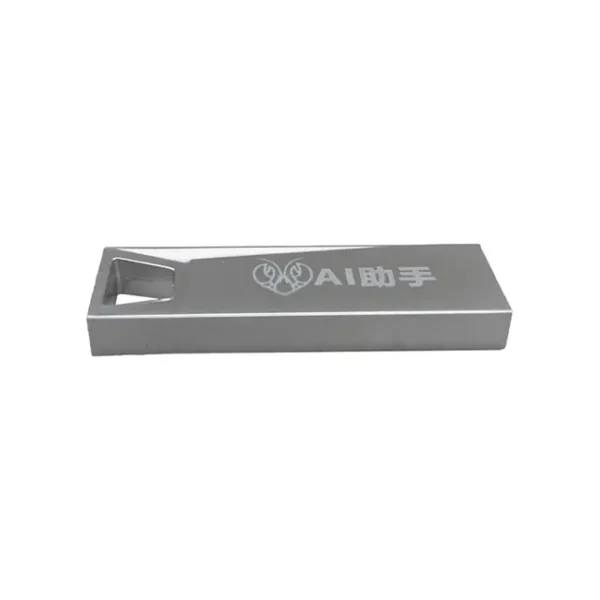 AI USB OpenClaw Mini AI Assistant High-Speed Plug-and-Play 8gb USB Flash Drive for AI Programmers
$27.90
AI USB OpenClaw Mini AI Assistant High-Speed Plug-and-Play 8gb USB Flash Drive for AI Programmers
$27.90
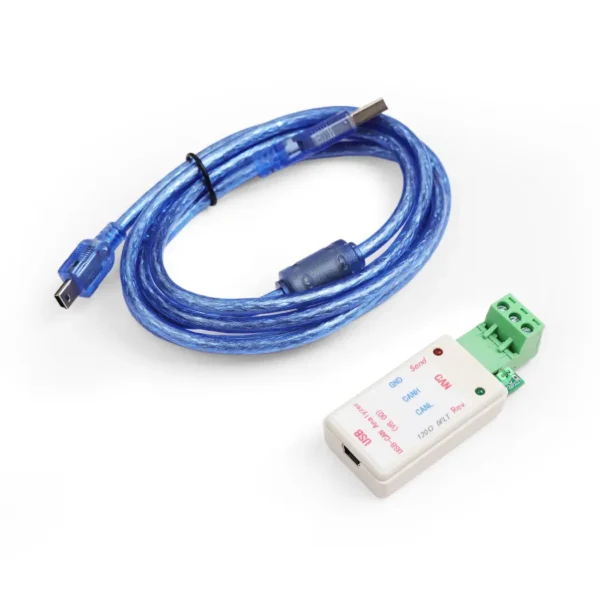 USB to CAN Analyzer Adapter (V8.00) with USB Cable, Collect CAN-BUS Data, Supports CAN2.0A & CAN2.0B
$37.90
USB to CAN Analyzer Adapter (V8.00) with USB Cable, Collect CAN-BUS Data, Supports CAN2.0A & CAN2.0B
$37.90
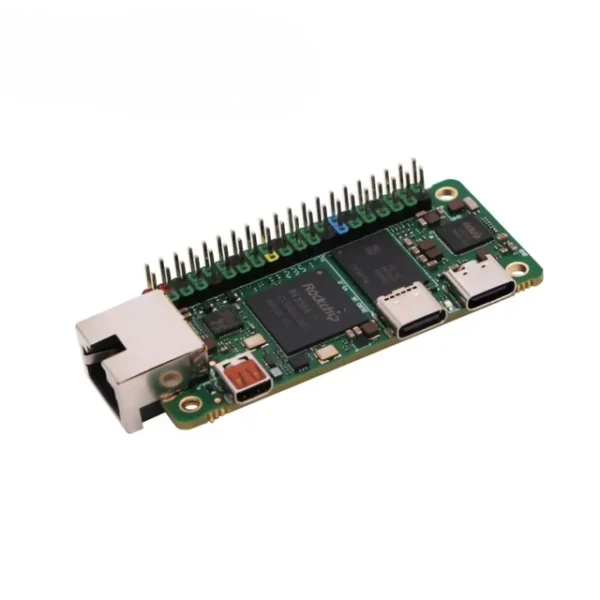 Radxa ZERO 3E RK3566 4-core CPU SBC, GPU, NPU, HDMI with 1080P Output, and Gigabit Ethernet, Single Board with Pin Header
$98.60 – $186.90Price range: $98.60 through $186.90
Radxa ZERO 3E RK3566 4-core CPU SBC, GPU, NPU, HDMI with 1080P Output, and Gigabit Ethernet, Single Board with Pin Header
$98.60 – $186.90Price range: $98.60 through $186.90
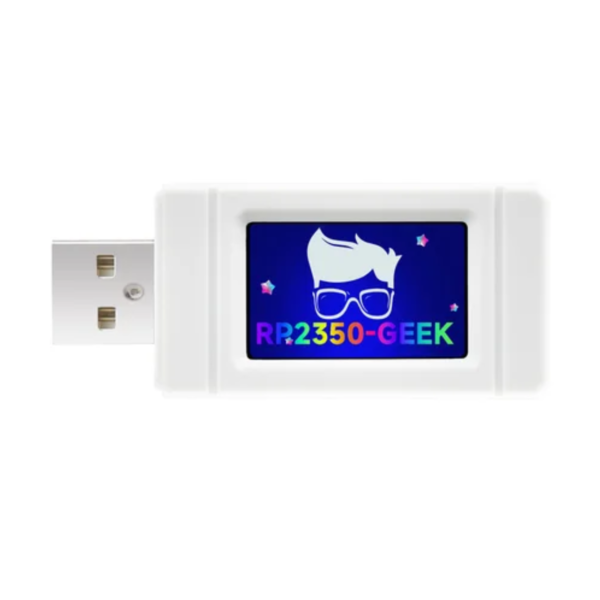 1.14inch 65K Color LCD RP2350-GEEK Development Board, USB Debugging Downloader, With White Plastic Case
$11.90
1.14inch 65K Color LCD RP2350-GEEK Development Board, USB Debugging Downloader, With White Plastic Case
$11.90
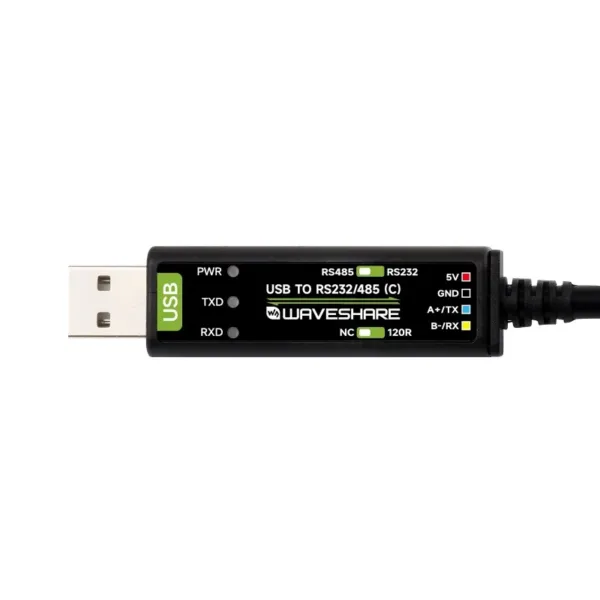 USB to RS232/485 Serial Cable, Original FT232RNL Chip, Onboard Power and Signal Indicators