Launching a hardware product on Kickstarter or Indiegogo is a dream for many creators. You have a brilliant idea, a compelling video, and a community ready to back you. But the harsh reality of hardware development is that over 75% of crowdfunded hardware projects experience significant delays, and many fail to deliver entirely.
As an experienced hardware ODM (Original Design Manufacturer) that has guided dozens of projects from napkin sketches to mass production, we have seen the same critical mistakes repeated time and time again.
This is not a superficial list of tips. This is a deep, technical, and strategic breakdown of the 7 most common hardware Kickstarter failures, and exactly how you can avoid them by partnering with the right engineering and manufacturing team from day one.
Failure #1: The "Looks-Like" Prototype Trap (Ignoring the "Works-Like")
The Pain Point: Many creators spend thousands of dollars on a beautiful, 3D-printed or CNC-machined "looks-like" prototype. It looks perfect for the Kickstarter video. However, inside, it’s just wires, breadboards, and off-the-shelf development boards (like an Arduino or Raspberry Pi) held together by tape. When it’s time to manufacture, the team realizes the custom electronics cannot fit in the enclosure, or the power consumption is 10x higher than expected.
How to Avoid It: You need a Functional MVP (Minimum Viable Product) that closely mirrors the final production architecture. While you don’t need custom injection molds for the campaign, you do need a custom PCB that proves your core technology works within your target size and power constraints.
Investing in early-stage, turnkey PCBA (Printed Circuit Board Assembly) prototyping ensures that your firmware, hardware, and mechanical design are validated together. This prevents the catastrophic "redesign" phase that kills budgets post-campaign. 👉 Learn how we streamline this critical phase: PCB Prototype & Turnkey PCBA Assembly Manufacturing
Failure #2: Underestimating NRE and Hidden BOM Costs
The Pain Point: A creator budgets $50,000 for development, only to find out that custom tooling, FCC/CE certifications, firmware debugging, and unexpected component price hikes consume $80,000. The project runs out of cash before DVT (Design Validation Test), leaving backers angry and the creator in debt.
How to Avoid It: Transparency is your best defense. Before you launch, you need a realistic, line-item BOM (Bill of Materials) estimate and a clear breakdown of NRE (Non-Recurring Engineering) costs. A professional ODM partner will not just give you a vague quote; they will provide a phased financial roadmap.
Ask your potential manufacturing partner to conduct an early DFM (Design for Manufacturability) review. A good DFM analysis will identify expensive or hard-to-source components before you lock in your Kickstarter pricing, allowing you to adjust your retail price or redesign for cost-efficiency proactively.
Failure #3: Skipping the EVT → DVT → PVT Progression
The Pain Point: Eager to fulfill orders, a creator pushes their factory to go straight from a working prototype to mass production. The result? 20% of the units have Wi-Fi connectivity issues, the plastic casings warp in transit, and the battery swells. The creator is now facing a massive wave of refunds and chargebacks.
How to Avoid It: Hardware development is not software; you cannot "patch" a physical product after it has been shipped to 5,000 backers. You must strictly adhere to the industry-standard NPI (New Product Introduction) phases:
- EVT (Engineering Validation Test): Does the product work as intended? (Focus on core functionality).
- DVT (Design Validation Test): Can we build it consistently? (Focus on tooling, drop tests, thermal testing, and certifications).
- PVT (Production Validation Test): Can we build it at scale? (Focus on assembly line efficiency, yield rates, and final QC).
Never skip a phase. Each phase is a gate designed to catch expensive errors before they multiply by your order quantity.
Failure #4: Supply Chain Fragility and Poor Component Selection
The Pain Point: Your product relies on a specific, niche microcontroller or sensor. Halfway through production, that component goes EOL (End of Life) or faces a 50-week lead time due to global supply chain disruptions. Your production line halts, and your delivery date is pushed back by a year.
How to Avoid It: Your ODM partner must have deep supply chain expertise. During the design phase, engineers should prioritize AEC-Q100 or widely adopted, multi-sourced components. For example, if you are building an IoT device, leveraging proven, highly available ecosystems like the ESP32 series ensures long-term component availability, robust community support, and competitive pricing.
A reliable manufacturing partner doesn’t just assemble what you tell them to; they actively advise you on component lifecycle risks and suggest validated alternatives. 👉 Ready to build with a supply-chain-resilient partner? Submit your ODM/OEM Bulk Inquiry here
Failure #5: The "Black Box" Communication Breakdown
The Pain Point: The creator hands over the design to an overseas factory, hears nothing for two months, and then receives a message: "The mold is broken, and the firmware has a bug. We need 3 more weeks and $5,000." The lack of visibility causes immense anxiety and destroys trust.
How to Avoid It: You need a bilingual, technical Project Manager (PM), not just a sales representative. A true technical PM can read your Gerber files, understand your firmware architecture, and explain in English why a specific design change will save you $0.50 per unit at scale.
Demand a transparent communication workflow. This should include:
- Weekly video updates with physical progress (not just text).
- Shared project management boards (e.g., Jira, Trello, or Asana).
- Immediate escalation protocols for any roadblocks.
Failure #6: Ignoring Intellectual Property (IP) Protection
The Pain Point: A creator shares their revolutionary idea with a factory they found on a generic B2B directory. Six months later, a nearly identical product appears on Amazon from a different brand, sold at half the price. The creator has no legal recourse.
How to Avoid It: A standard NDA (Non-Disclosure Agreement) is often insufficient in cross-border manufacturing. You need an NNN Agreement (Non-Disclosure, Non-Use, Non-Circumvention).
- Non-Disclosure: They cannot share your idea.
- Non-Use: They cannot use your idea to build their own products.
- Non-Circumvention: They cannot bypass you to sell directly to your clients or backers.
A trustworthy ODM will not only respect this but will often provide a standard NNN template to initiate the relationship, proving their commitment to your IP security from day one.
Failure #7: No Contingency Plan for Campaign Failure (or Wild Success)
The Pain Point: Scenario A: The campaign fails to reach its goal. The creator is stuck with a half-finished prototype and an angry, unpaid engineering team. Scenario B: The campaign goes viral, raising 500% of the goal. The original factory cannot scale up, quality plummets, and the creator cannot fulfill the sudden demand.
How to Avoid It: Structure your contracts with Milestone-Based Payments tied to campaign realities. For example:
- Phase 1: Pay for a functional MVP/Demo (fixed cost, non-refundable, ensures the factory is compensated for initial work even if the campaign fails).
- Phase 2: Upon successful funding, trigger the NRE and tooling payments for EVT/DVT.
- Phase 3: Scale. Ensure your ODM partner has the capacity, or a vetted network of partner factories, to handle sudden volume spikes without degrading quality.
The Crowdfunding Creator’s ODM Checklist
Before signing with any hardware development partner, ask them these 5 questions. If they hesitate, walk away.
- "Can you provide a detailed, line-item BOM estimate and DFM report before we commit to tooling?"
- "Who will be my direct point of contact? Are they a technical engineer or a salesperson?"
- "Can you walk me through your specific QA/QC process for PVT and mass production?"
- "Are you willing to sign a comprehensive NNN agreement to protect my IP?"
- "Can you show me a case study of a product you took from prototype to successful mass delivery?"
Frequently Asked Questions (FAQ)
Q: How much does it cost to develop a hardware prototype for Kickstarter?
A: It varies wildly based on complexity. A simple IoT device might cost $3,000–$8,000 for a functional MVP (including custom PCBA and 3D-printed enclosure). Complex robotics or medical devices can exceed $20,000. The key is to define a strict scope of work (SOW) to prevent budget creep.
Q: Can you help if my current manufacturer is delaying my Kickstarter project?
A: Yes. This is called a "Rescue Mission." We frequently take over projects stalled in DVT or PVT. We will audit the existing design, identify the bottlenecks (often poor DFM or supply chain issues), and provide a realistic timeline to get production back on track.
Q: Do you require a large Minimum Order Quantity (MOQ) for crowdfunding projects?
A: We understand the unique cash flow of crowdfunding. We offer flexible, scalable MOQs for the first production run, allowing you to fulfill your backer rewards without being forced into massive inventory debt.
Turn Your Vision into a Shippable Reality
Hardware is hard, but it doesn’t have to be a gamble. The difference between a Kickstarter cautionary tale and a massive success story usually comes down to one thing: having the right technical and manufacturing partner from the very beginning.
Don’t let poor planning, hidden costs, or communication breakdowns derail your dream. If you have a hardware concept and need a transparent, experienced, and agile ODM partner to guide you through prototyping, DFM, and mass production, we are here to help.
Ready to de-risk your hardware journey? Let’s discuss your project’s technical feasibility and build a realistic roadmap together.

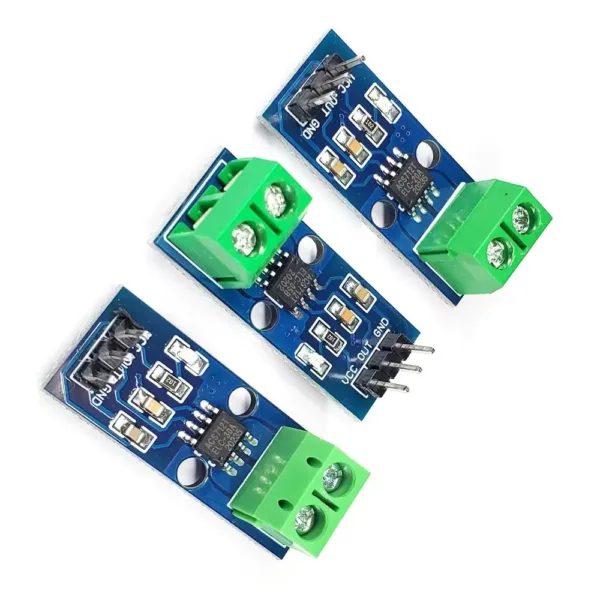 ACS712 Hall Current Sensor Module Hall Sensor 5V 5A 20A 30A Current Detection Board Module
 Loko GPS Tracker - GPS tracker with LoRa P2P and LoRaWAN - Ultra-lightweight at only 14 grams
$72.90 – $158.90Price range: $72.90 through $158.90
Loko GPS Tracker - GPS tracker with LoRa P2P and LoRaWAN - Ultra-lightweight at only 14 grams
$72.90 – $158.90Price range: $72.90 through $158.90
 HW-632 Charging Control Module 12-24V Storage Lithium Battery Charger Control Switch Protection Board With LED Display NEW
$3.90
HW-632 Charging Control Module 12-24V Storage Lithium Battery Charger Control Switch Protection Board With LED Display NEW
$3.90
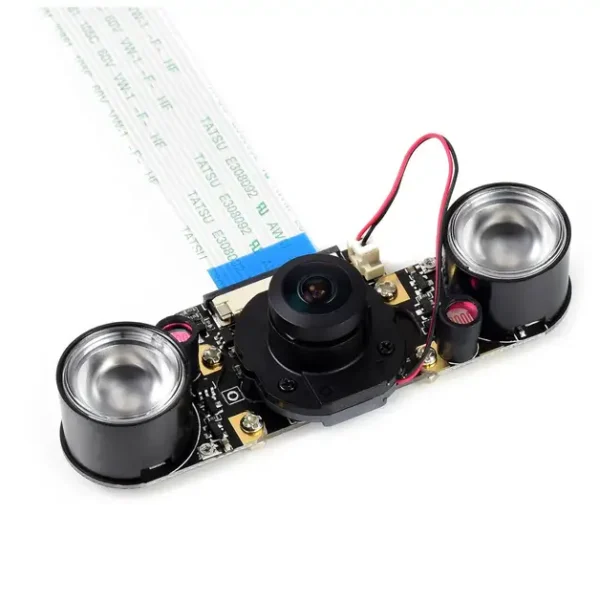 IMX219-160 8MP IR-CUT Camera 162 Degree FOV IR-CUT Infrared Applicable For Jetson Nano Compute Module
$29.80
IMX219-160 8MP IR-CUT Camera 162 Degree FOV IR-CUT Infrared Applicable For Jetson Nano Compute Module
$29.80
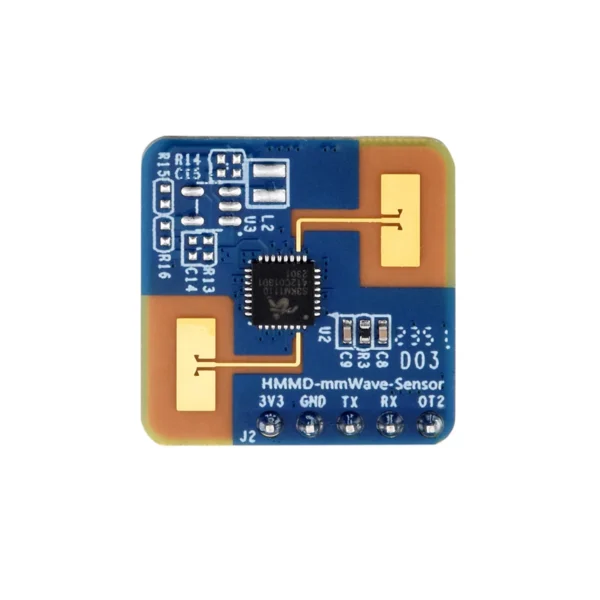 24GHz Millimeter Wave Radar Micro Motion Sensor S3KM1110 Chip
$3.00
24GHz Millimeter Wave Radar Micro Motion Sensor S3KM1110 Chip
$3.00