If you are a software engineer, an AI researcher, or a developer managing autonomous coding agents in 2026, your daily workflow has fundamentally changed. You are no longer just writing code; you are orchestrating AI. You assign complex refactoring tasks to Claude Code, spin up autonomous Python scripts via Google Antigravity, or let Codex handle your backend logic while you grab a coffee.
But this new "agentic" workflow has introduced a massive, invisible source of anxiety: The Rate-Limit Purgatory.
We have all been there. You push an AI agent to work through a massive repository, only to return to your desk and realize the agent silently failed three hours ago because it hit a hidden API quota. Or worse, you are staring at your IDE, waiting blindly for a 5-hour rolling window or a 72-hour weekly compute limit to reset. Software dashboards are useless in these moments—they are buried in browser tabs, hidden inside IDE settings, or require you to break your "flow state" by Alt-Tabbing away from your code.
You don't need another browser tab. You need a physical, ambient indicator.
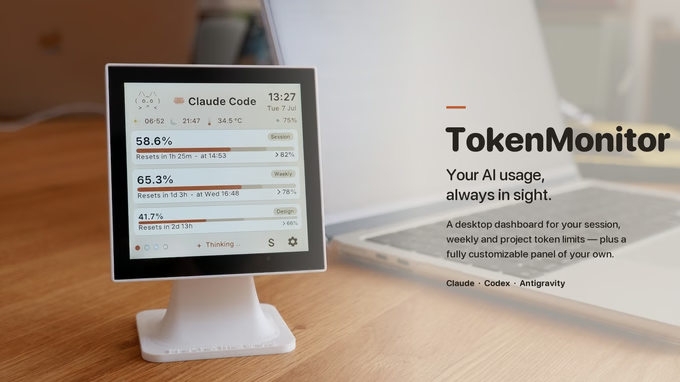
Enter Token Monitor, a brilliant new hardware project that is currently seeking support on Kickstarter. Created by Madrid-based maker Jorge, Token Monitor is a local-first, physical desktop widget designed specifically to cure the "token anxiety" that plagues modern AI developers.
In this deep dive, we are going to explore why Token Monitor is the ultimate desk accessory for AI engineers, how its privacy-first architecture works, and why you should back this Kickstarter campaign today.
1. What is Token Monitor? (The Hardware Deep Dive)
At its core, Token Monitor is a sleek, 4-inch always-on display that sits on your desk, right next to your primary monitor. It provides real-time, at-a-glance telemetry of your AI coding assistant usage. But unlike generic smart home displays or DIY Raspberry Pi projects, this device is hyper-focused on the specific metrics that matter to AI engineers: token burn rates, API spending, and, most importantly, provider rate-limit countdown timers.
The Core Value Proposition: Peripheral Vision Tracking
When you are deep in a coding flow state, breaking your concentration to open a web browser and check your Anthropic or OpenAI usage dashboard is a massive productivity killer. Token Monitor leverages the concept of ambient computing. By placing a crisp 4-inch display in your peripheral vision, you can track your AI agent's token consumption and rate-limit timers with a simple glance, without ever touching your mouse or keyboard.
Supported Ecosystems
The creator has explicitly designed the firmware to track usage across the most popular AI ecosystems dominating the 2026 development landscape, including:
- Claude Code: Tracking the infamous 5-hour rolling windows and weekly compute quotas.
- Codex: Monitoring background agentic tasks and token burn rates.
- Google Antigravity: Keeping tabs on autonomous agent orchestration and mission control telemetry.
2. The Architecture of Privacy: Why "Local-First" is a Game Changer
One of the most impressive engineering decisions behind Token Monitor is its strict adherence to a local-first architecture.
In the enterprise software and cybersecurity world, privacy is paramount. Developers are highly reluctant to install third-party tracking tools that require handing over sensitive API keys or routing proprietary codebase metadata through external cloud servers. Token Monitor bypasses this security nightmare entirely. No API keys are required.
How It Works: The LAN Broker System
Based on the project's technical updates and community discussions, Token Monitor operates using a brilliant local broker system:
- Local Log Parsing: Instead of intercepting network traffic or requiring API credentials, the system reads the local log files generated by your AI coding assistants directly on your machine.
- LAN Broadcasting: A lightweight local server (broker) runs on your host machine. The physical desk widget simply connects to your local Wi-Fi and listens to the broker.
- Language Agnostic Backend: The creator has open-sourced the broker plugins, making them available in Go, Python, and Node.js. This ensures that developers can integrate the telemetry server into virtually any local environment, Docker container, or CI/CD pipeline.
Headless and Multi-Device Support
Because the broker operates entirely on the Local Area Network (LAN), the physical widget doesn't even need your main workstation to be awake. In the Kickstarter community comments, the creator confirmed that users can run the broker on a Raspberry Pi or a headless Linux VPS connected to the same network. This allows the physical desk widget to pull data continuously, 24/7, even if your main coding machine is asleep or rebooting. While native support is currently optimized for Linux and Mac environments, the creator is actively testing compatibility for WSL (Windows Subsystem for Linux), making it accessible to virtually the entire developer community.
3. Why AI Developers Are Desperate for This Gadget
To understand why Token Monitor is generating such excitement, you have to understand the psychological toll of modern AI rate limits.
Platforms like Google Antigravity serve as "Mission Control" for managing autonomous agents that can run complex, multi-step Python scripts in the background. When an agent is working autonomously, it consumes tokens rapidly. If the agent hits a rate limit, it may silently pause, waiting for a rolling window to reset.
Without a physical indicator, the developer assumes the agent is still working, leading to lost hours of productivity. Token Monitor acts as a physical "Check Engine" light for your AI workflow. If the 4-inch display shows the token burn rate spiking, or the rate-limit timer counting down to zero, the developer knows immediately to intervene, optimize the prompt, or switch to a lighter, faster model. It turns invisible API limits into tangible, actionable data.
4. Why You Should Back This Kickstarter Campaign Today
Hardware projects live and die by community support. Jorge, the creator of Token Monitor, has poured immense effort into designing a gadget that solves a highly specific, modern friction point—the opacity of AI API rate limits—and engineered an elegant, privacy-respecting hardware solution to fix it.
By backing the Token Monitor Kickstarter Campaign today, you are not just buying a gadget; you are supporting the indie maker ecosystem. You are helping a solo developer transition from a brilliant open-source concept to a manufactured reality. Early backers also get access to exclusive pricing and direct communication with the creator to shape the final firmware features before mass production begins.
5. From Brilliant Prototype to Mass Production: A Note from the Hardware Frontlines
As a team that spends every day optimizing Turnkey PCB Prototype & Assembly Manufacturing for global IoT devices, we are incredibly picky about the gadgets we put on our own desks. We see hundreds of "smart displays" that are nothing more than repurposed Android tablets running bloated software.
Token Monitor stands out because it respects the hardware. Building a reliable, always-on IoT desk widget requires a delicate balance of processing power, Wi-Fi connectivity, and thermal management. The decision to utilize a local LAN broker rather than relying on heavy cloud polling is a masterclass in embedded systems engineering. It ensures the device remains responsive, low-latency, and secure.
However, the journey from a glowing Kickstarter video to a box arriving on a backer's desk is fraught with engineering hurdles. Transitioning from 3D-printed enclosures and off-the-shelf development boards to a miniaturized, consumer-ready product requires rigorous DFM (Design for Manufacturing).
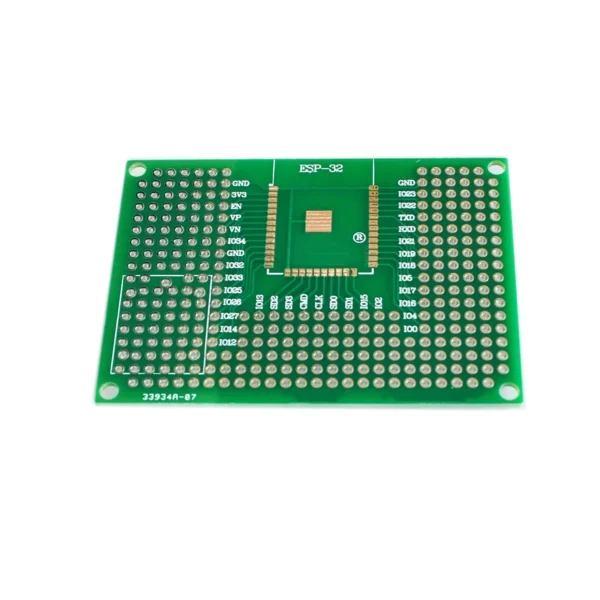
For makers, startups, and indie hackers looking to take similar desktop IoT concepts from a successful Kickstarter campaign into global mass production, having a reliable manufacturing partner is what separates a cool prototype from a sustainable hardware business. Whether you need precise SMT assembly for custom ESP32-based PCBs, or you are scaling up and require comprehensive ODM/OEM Bulk Manufacturing Services to handle injection molding, firmware flashing, and global fulfillment, the right manufacturing partner ensures your backers get a flawless product.
We are huge fans of what Jorge is building with Token Monitor, and we can't wait to see this 4-inch AI dashboard on desks around the world.
6. Frequently Asked Questions
Q1: What is Token Monitor and who is it for?
A: Token Monitor is a local-first, physical desktop widget featuring a 4-inch always-on display. It is designed for AI developers, software engineers, and users of agentic coding tools (like Claude Code, Codex, and Google Antigravity) who need to track API token consumption, costs, and rate-limit windows in their peripheral vision without relying on cloud-based dashboards.
Q2: Does Token Monitor require my API keys to work?
A: No. Token Monitor utilizes a "local-first" privacy architecture. It operates by running a lightweight local broker (available in Go, Python, or Node.js) on your machine or local network. It parses local log files generated by your AI assistants, meaning your API keys and proprietary codebase data never leave your local network.
Q3: How do Claude Code rate limits work, and how does this widget help?
A: Claude Code utilizes a 5-hour rolling window for short-term rate limits, alongside longer 72-hour or weekly compute quotas. Token Monitor helps by visualizing these hidden countdown timers on a physical desk display, preventing developers from losing hours of productivity to silent agent failures caused by hitting a rate limit.
Q4: Can I run the Token Monitor broker on a Raspberry Pi or VPS?
A: Yes. Because the broker operates via LAN broadcasting, the creator has confirmed that you can install the CLI and plugins on a Raspberry Pi or a headless Linux VPS connected to the same network. This allows the physical desk widget to pull data continuously, 24/7, even if your main coding workstation is turned off.
Q5: Where can I buy or back Token Monitor?
The Ultimate Desk Companion for the Agentic Era
The Token Monitor Kickstarter campaign represents the absolute best of the hardware maker community. It identifies a highly specific, modern friction point—the opacity of AI API rate limits—and engineers an elegant, privacy-respecting hardware solution to fix it.
If you are an AI developer tired of staring at hidden loading screens, silent rate-limit errors, and unpredictable token bills, this is the gadget you need on your desk. Head over to Kickstarter, back the project, and help bring the ultimate AI telemetry widget to life.