EMC/EMI Checklist Before Your Board Goes to Certification
EMC testing is expensive, and failing it is worse than the test fee — it costs you a respin, a
ESP32 TinyML is revolutionizing the landscape of edge computing by enabling powerful object recognition capabilities in a compact form. With advancements in machine learning, especially through the integration of TensorFlow Lite Micro, the ESP32 microcontroller, particularly the ESP32-S3 variant, is making sophisticated applications accessible even for hobbyists and small-scale projects. This guide delves into what makes ESP32 TinyML an essential tool for those interested in developing efficient, on-device machine learning solutions.
The ESP32 microcontroller is a highly integrated system-on-chip (SoC) designed for low-power, high-performance applications. Its dual-core processor, coupled with Wi-Fi and Bluetooth capabilities, allows it to handle a wide range of tasks. Moreover, the latest ESP32-S3 variant offers enhanced features tailored for machine learning applications, making it an ideal choice for those looking to explore TinyML.
In recent years, the demand for edge computing solutions has surged, largely due to the limitations of cloud-based processing, such as latency and bandwidth issues. With ESP32 TinyML, developers can implement real-time object recognition without relying on continuous internet connectivity. This makes it possible to deploy applications in remote locations or areas with poor connectivity.
TensorFlow Lite Micro is an optimized version of TensorFlow Lite designed specifically for microcontrollers and embedded devices like the ESP32. By using this lightweight framework, developers can run machine learning models efficiently, enabling them to perform complex tasks such as object recognition with minimal computational resources.
Integrating TensorFlow Lite Micro into an ESP32 TinyML project involves several steps. First, developers need to select or create a TensorFlow model suited for their application. Once the model is trained and optimized, it can be converted into a format compatible with TensorFlow Lite Micro. This allows the model to be executed directly on the ESP32, leveraging its computational power while keeping energy consumption low.
When it comes to implementing object recognition with the ESP32-S3, the process is straightforward yet highly efficient. Here’s a step-by-step guide to getting started:
1. Model Selection: Choose a suitable model for your object recognition task. Pre-trained models can be found on TensorFlow Hub or developed specifically for your use case.
2. Training and Conversion: If you're training your model, utilize TensorFlow to create a robust dataset. Following this, convert the model to TensorFlow Lite format to prepare it for deployment on your ESP32-S3.
3. Setting up the Environment: Install the necessary software, such as the ESP-IDF (IoT Development Framework) and required libraries for TensorFlow Lite Micro. Ensuring that your development environment is properly configured is crucial for seamless integration.
4. Hardware Setup: Connect the ESP32-S3 to a camera module if your application requires visual input. This setup enables real-time capture and processing of images.
5. Coding the Application: With your model loaded into the ESP32-S3, you can start coding the application that utilizes its object recognition capabilities. This involves setting up the input from the camera, running inference on the captured images, and executing actions based on the recognition results.
6. Testing and Optimization: Once your application is running, test it in various conditions to evaluate performance. You may need to fine-tune the model or adjust the input processing for improved accuracy and speed.
The possibilities with ESP32 TinyML are vast. Here are a few notable use cases:
- Smart Home Devices: Enhance home automation systems with object recognition capabilities, allowing devices to identify different objects and respond accordingly.
- Robotics: Equip autonomous robots with the ability to recognize and interact with their environments, enabling tasks like sorting items or navigating spaces.
- Healthcare Monitoring: Use wearables that can recognize certain movements or conditions, providing immediate data to healthcare professionals.
ESP32 TinyML, particularly through the use of TensorFlow Lite Micro, is making stunning object recognition effortless and accessible. As more developers tap into the capabilities of the ESP32-S3, we can expect an increase in innovative applications that leverage machine learning directly on-device. This shift not only enhances the efficiency of applications but also opens up a world of possibilities for edge computing solutions across various industries. Whether you’re a seasoned developer or a curious hobbyist, diving into ESP32 TinyML promises to be an exhilarating journey into the future of technology.
======================================
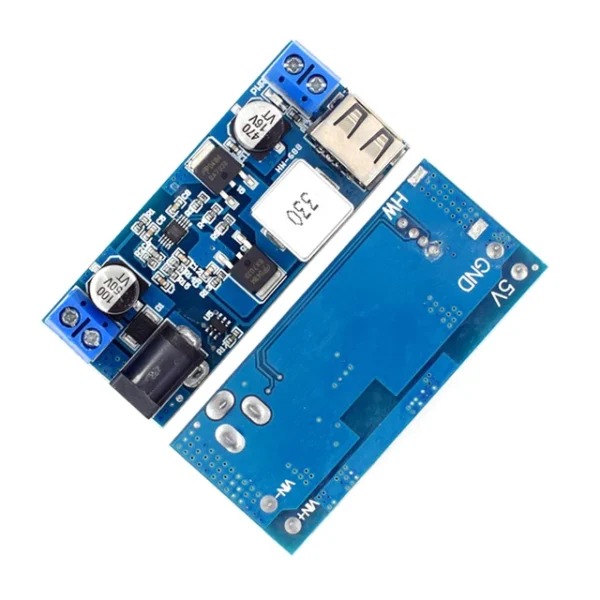 DC-DC 24V/12V To 5V 5A Step Down Power Supply Buck Converter Replace LM2596S Adjustable USB Step-down Charging Module For Phone
$3.90
DC-DC 24V/12V To 5V 5A Step Down Power Supply Buck Converter Replace LM2596S Adjustable USB Step-down Charging Module For Phone
$3.90
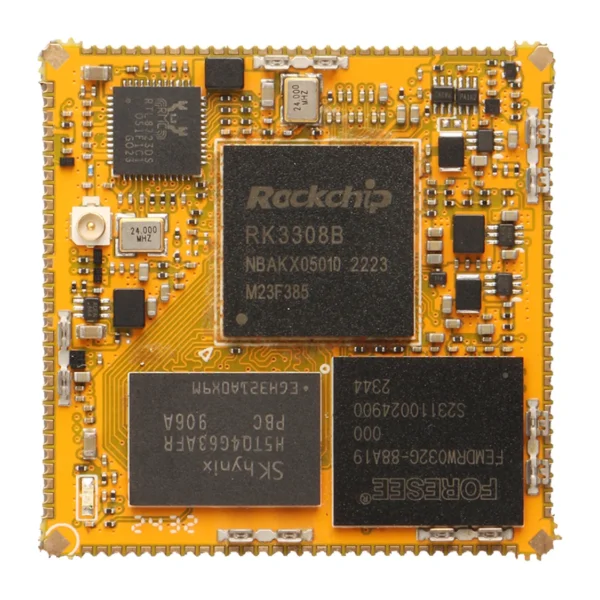 Radxa rCore-RK3308 4-core,Single Board Computer
$42.90 – $62.90Price range: $42.90 through $62.90
Radxa rCore-RK3308 4-core,Single Board Computer
$42.90 – $62.90Price range: $42.90 through $62.90
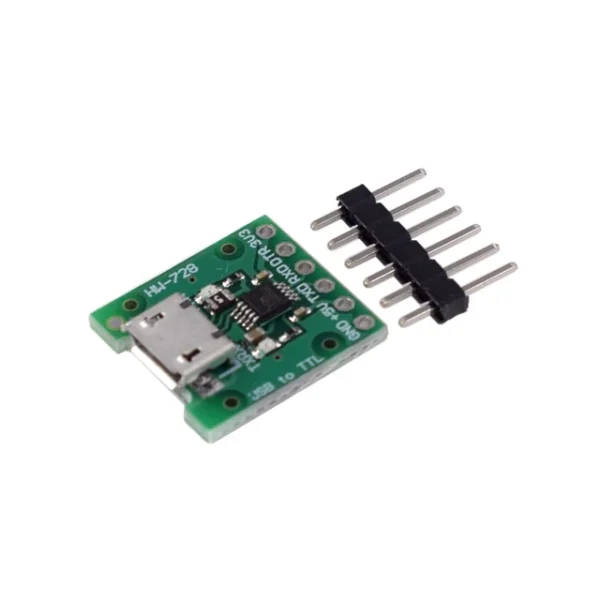 CH340E MSOP10 USB to TTL Serial Converter, 5V/3.3V Alternative CH340 E Module Micro USB Interface For Arduino Pro mini
$1.90
CH340E MSOP10 USB to TTL Serial Converter, 5V/3.3V Alternative CH340 E Module Micro USB Interface For Arduino Pro mini
$1.90
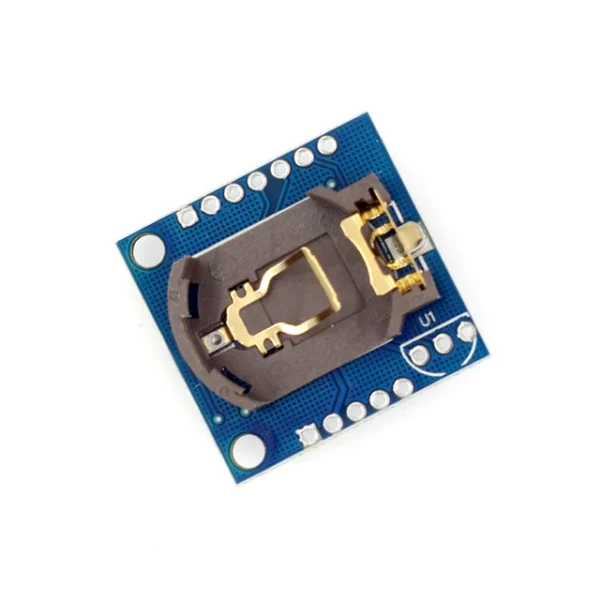 I2C RTC DS1307 AT24C32 Real Time Clock Module For AVR ARM PIC Tiny RTC I2C Modules Memory DS1307 Clock
$2.60
I2C RTC DS1307 AT24C32 Real Time Clock Module For AVR ARM PIC Tiny RTC I2C Modules Memory DS1307 Clock
$2.60
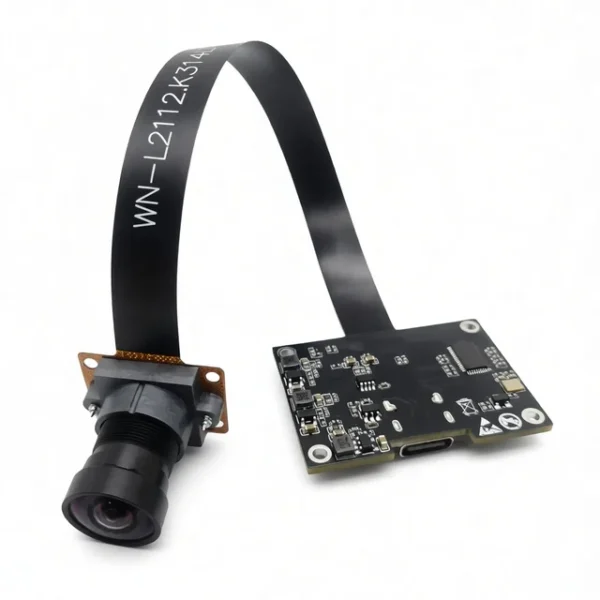 4K USB Camera 2160P Webcam with IMX274 Sensor 95 Degree Fixed Focus Lens USB3.0 Camera Module Plug and Play for Windows/Android
$72.90
4K USB Camera 2160P Webcam with IMX274 Sensor 95 Degree Fixed Focus Lens USB3.0 Camera Module Plug and Play for Windows/Android
$72.90
EMC testing is expensive, and failing it is worse than the test fee — it costs you a respin, a
We review a lot of boards — some designed in-house, some by other contractors, some by founders doing their own
When a battery-powered product dies too soon, the instinct is to blame the firmware. Surely there is a sleep mode
A wearable PCB is not just a small PCB. It is a board where every constraint that normally has some
The STM32 family is the workhorse of embedded hardware, and almost every project that uses one starts the same way:
The nRF52840 is one of the most popular BLE and multiprotocol chips in the world, and for good reason: it
No account yet?
Create an Account