
EMC/EMI Checklist Before Your Board Goes to Certification
EMC testing is expensive, and failing it is worse than the test fee — it costs you a respin, a
ESP32 deep sleep is a crucial feature for developers and hobbyists looking to maximize battery life in their projects. The ESP32 microcontroller is known for its versatility, offering Wi-Fi and Bluetooth capabilities along with relatively low power consumption. However, for battery-powered applications, particularly those that require long operational periods, implementing deep sleep can be a game-changer.
Before diving into the specifics of using deep sleep, it's essential to grasp the concept of low power consumption in the ESP32. The ESP32 is designed for efficiency and can operate in several power modes. In active mode, the microcontroller consumes significant power; however, in sleep mode, it can reduce its power consumption dramatically. This capability is particularly suitable for IoT devices like sensors, wearables, and remote controls.
In sleep mode, the ESP32 can enter several states: light sleep allows it to stay responsive while consuming minimal power, and deep sleep turns off most of the system’s components entirely. In deep sleep, the only power consumed is from a minimal sleep current, allowing devices to conserve battery life between wake cycles.
The primary advantage of ESP32 deep sleep lies in its ability to extend the operational life of battery-powered devices. For example, a sensor that wakes up periodically to collect data and then goes back to sleep can significantly reduce its overall power consumption. By optimizing your power management strategy, you can ensure that your device runs for weeks or even months on a single charge.
Here are some must-have tips to properly implement ESP32 deep sleep and maximize battery life:
Before programming the ESP32, define when the device needs to wake up. For instance, if you’re developing a temperature sensor, determine how frequently it needs to take readings. A longer interval means less active time and a longer battery life.
```cpp
esp_sleep_enable_timer_wakeup(WAKEUP_INTERVAL);
```
This code snippet sets a timer that will wake your ESP32 after a specified interval.
During the active phase, try to keep the operations to a minimum. Gather and process data quickly and turn off non-essential components immediately after usage. The quicker the device returns to deep sleep, the longer the battery life will be.
```cpp
sensor.readData(); // Read data from the sensor
processData(); // Process the data
powerDownComponents(); // Power down non-essential components
```
Both Wi-Fi and Bluetooth can consume substantial power. If your application allows for it, consider using Bluetooth in low-energy modes or disabling Wi-Fi when not in use.
```cpp
WiFi.mode(WIFI_OFF); // Turn off Wi-Fi to save power
```
Using this command will put the ESP32 in a power-saving state, helping to preserve battery life.
By using external components such as ultra-low-power sensors that can collect data while the ESP32 is in deep sleep, you can significantly reduce the power consumed. These components can be designed to wake up the ESP32 only when certain conditions are met, further conserving energy.
```cpp
pinMode(WAKE_PIN, INPUT_PULLUP);
attachInterrupt(digitalPinToInterrupt(WAKE_PIN), wakeUpFunction, LOW); // Trigger ESP32 to wake up
```
When using external triggers, ensure your GPIO pin is configured correctly for interrupt functions.
To truly understand the impact of your deep sleep implementation, it's essential to measure your battery life effectively. Use a multimeter to track the current draw during various phases: active, sleep, and deep sleep. This data will provide insights into how much energy your device is actually consuming.
Incorporating ESP32 deep sleep into your applications is vital for achieving excellent battery life. By carefully considering your wake intervals, minimizing active time, configuring communication modules wisely, and using external components, you can extend the duration that your device remains operational on a single charge. Every step towards optimizing your device will lead to more efficient energy consumption, making your projects more sustainable and user-friendly. Adopting these strategies will not only enhance the performance of your devices but also contribute to the growing demand for eco-efficient technology in today’s world.
======================================
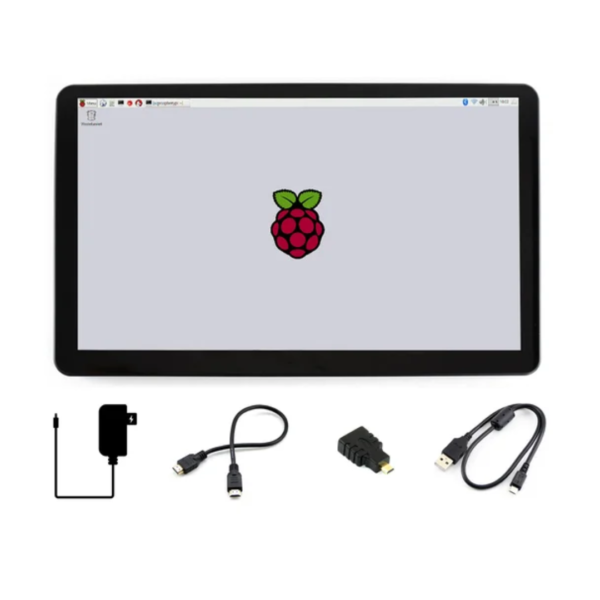 15.6inch IPS 1920*1080 Touch LCD with Toughened Glass Cover.FULL HD Display for Raspberry Pi BB Black,Portable Monitor
$159.80
15.6inch IPS 1920*1080 Touch LCD with Toughened Glass Cover.FULL HD Display for Raspberry Pi BB Black,Portable Monitor
$159.80
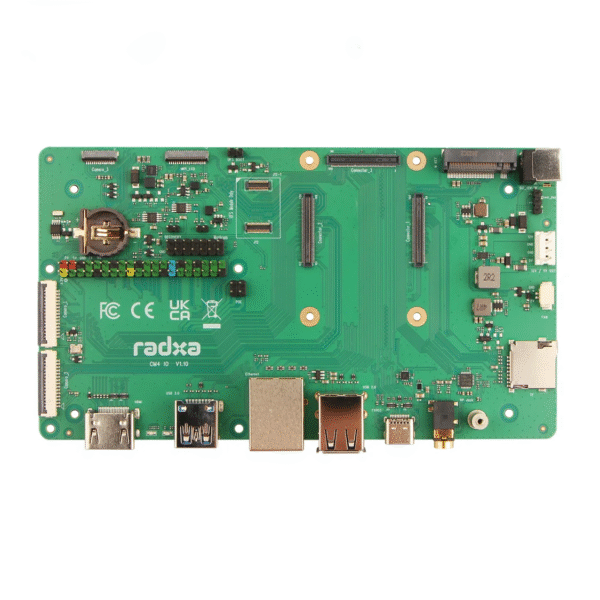 Radxa CM4 IO Board
$43.90
Radxa CM4 IO Board
$43.90
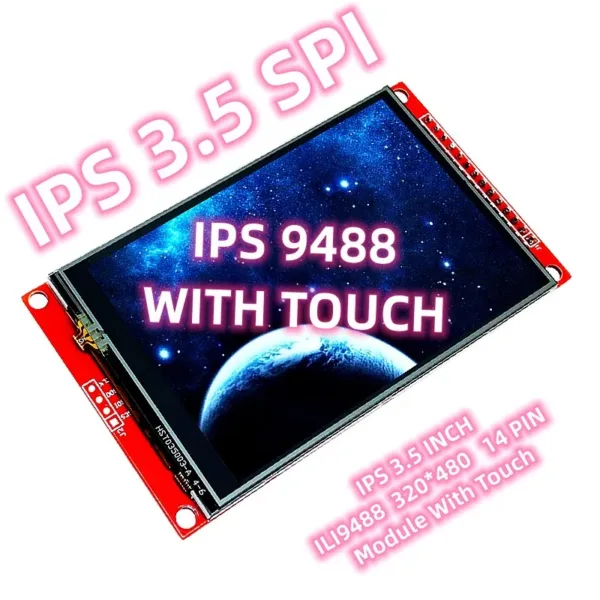 3.5 Inch IPS SPI With Touch Display ILI9488 ESP32 Full View Angle 14 PIN 320*480
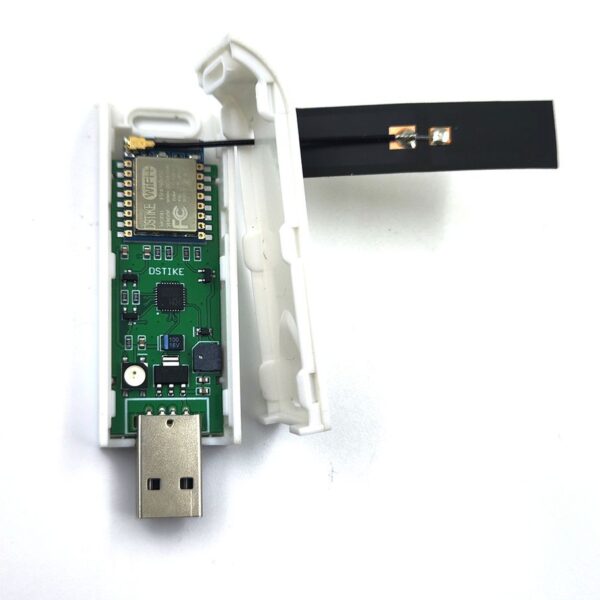 Deauth Detector V3 2.4G Wi-Fi Attack Detection
$11.80
Deauth Detector V3 2.4G Wi-Fi Attack Detection
$11.80
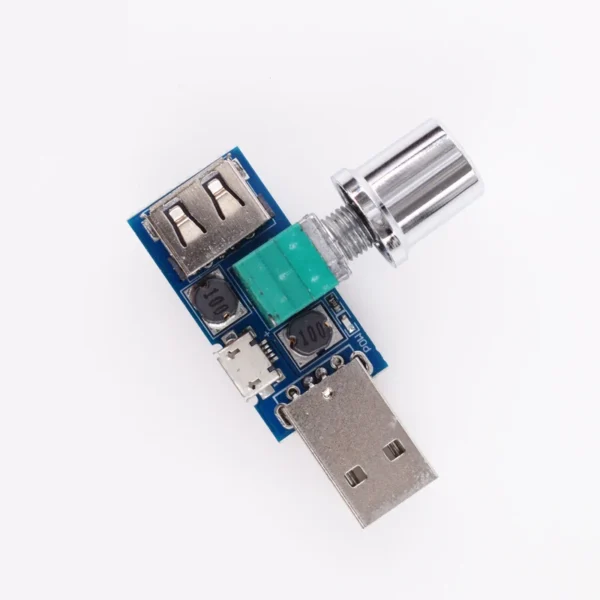 5V USB Voltage Regulator Fan Stepless Speed Controller Regulator With Switch DC 4-12V to 2.5-8V 5W Power Controller
$3.90
5V USB Voltage Regulator Fan Stepless Speed Controller Regulator With Switch DC 4-12V to 2.5-8V 5W Power Controller
$3.90
EMC testing is expensive, and failing it is worse than the test fee — it costs you a respin, a
We review a lot of boards — some designed in-house, some by other contractors, some by founders doing their own
When a battery-powered product dies too soon, the instinct is to blame the firmware. Surely there is a sleep mode
A wearable PCB is not just a small PCB. It is a board where every constraint that normally has some
The STM32 family is the workhorse of embedded hardware, and almost every project that uses one starts the same way:
The nRF52840 is one of the most popular BLE and multiprotocol chips in the world, and for good reason: it
No account yet?
Create an Account