
EMC/EMI Checklist Before Your Board Goes to Certification
EMC testing is expensive, and failing it is worse than the test fee — it costs you a respin, a
ESP32 pinout knowledge is crucial for anyone venturing into projects involving this powerful microcontroller. Whether you're building a smart device or experimenting with IoT projects, understanding the layout and functionality of ESP32 pins can elevate your work significantly.
The ESP-WROOM-32 module is one of the most popular configurations of the ESP32 chip. It boasts a plethora of features, including Wi-Fi, Bluetooth, a multitude of GPIOs, and several other interfaces. Getting familiar with the esp-wroom-32 pinout is essential for unlocking the full potential of your projects.
The module's pinout includes:
1. General Purpose Input/Output (GPIO) Pins: These pins function as digital input/output and are fundamental for interfacing with other hardware. The ESP32 chip includes over 30 GPIO pins, each with its unique characteristics suitable for different tasks.
2. Analog Pins: The ESP32 features several ADC (Analog to Digital Converter) pins. These are crucial when working with analog sensors and inputs, allowing the conversion of analog signals to digital for processing.
3. Power Pins: Proper understanding of power pins is vital. The module typically requires a 3.3V power supply, and providing incorrect voltages can lead to damaging the chip.
4. Communication Interfaces: SPI, I2C, and UART are some of the interfaces supported by the ESP32, allowing you to connect with a wide variety of modules and sensors.
Beyond basic operations, ESP32 pins boast versatility that many other microcontrollers lack. Certain GPIOs serve dual purposes—they can act as standard digital pins or perform special functions like capacitive sensing, PWM generation, or I2S.
One exciting feature within the esp32 pinout is capacitive touch sensing. This can turn simple touch interactions into signals for controlling devices, without the need for mechanical switches. The ESP32 has up to 10 capacitive-sensing GPIOs, making it ideal for touch-based projects.
PWM is essential for controlling the brightness of LEDs or the speed of motors. The ESP32 efficiently handles PWM through its GPIO pins, offering flexibility in digital signal modulations. It supports multiple PWM outputs simultaneously, adapting well to complex projects.
For projects involving sound, the I2S protocol is key. The ESP32 pinout provides I2S support to transmit high-fidelity audio data. This functionality empowers developers to create sophisticated audio applications with ease.
Understanding the esp32 pins is just the start. Here are some best practices to ensure your projects run smoothly:
1. Reference the Datasheet: Always consult the ESP32 datasheet for detailed pin information and electrical characteristics.
2. Utilize Online Resources: Online forums, tutorials, and documentation can be invaluable in solving pinout-related issues and learning new techniques.
3. Pay Attention to Power Requirements: Since the ESP32 is sensitive to voltage, ensure proper power management to prevent damage.
4. Prototype on Breadboards First: Breadboards are perfect for testing pin connections and functions before committing to a final design.
5. Experiment with Libraries: The ESP32 community has developed numerous libraries. Exploring these can save time and open new possibilities for your projects.
While mastering the ESP32 pinout may seem daunting initially, it opens a world of possibilities for creativity and innovation. From smart home devices to wearable technology, the versatile capabilities of ESP32 pins make it a favorite among developers and hobbyists alike. Armed with the right knowledge and tools, you're ready to embark on your journey to effortless success with the ESP32.
======================================
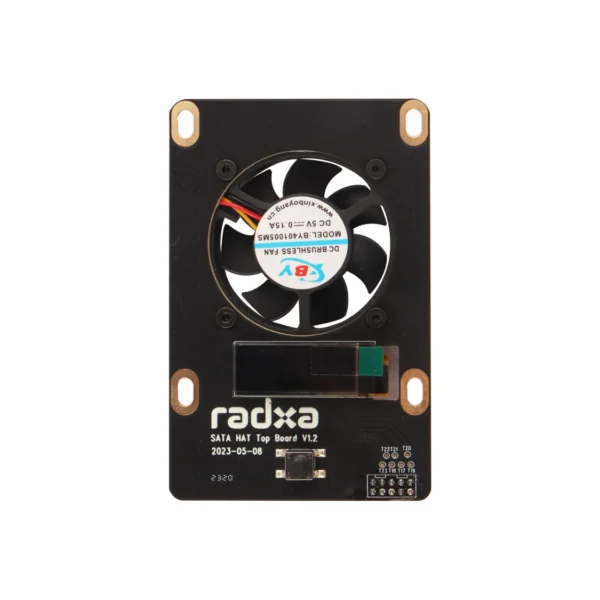 Radxa Penta SATA HAT Top Board, Designed for Radxa Penta SATA HAT
$16.90
Radxa Penta SATA HAT Top Board, Designed for Radxa Penta SATA HAT
$16.90
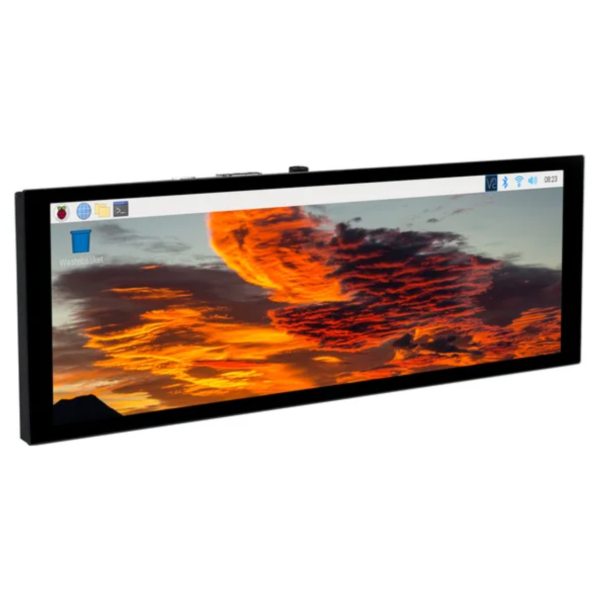 7.9inch Capacitive Touch Display 400×1280 IPS Display Panel for Raspberry Pi 5/4B/3B+/3A+, CM3/3+/4
$74.90
7.9inch Capacitive Touch Display 400×1280 IPS Display Panel for Raspberry Pi 5/4B/3B+/3A+, CM3/3+/4
$74.90
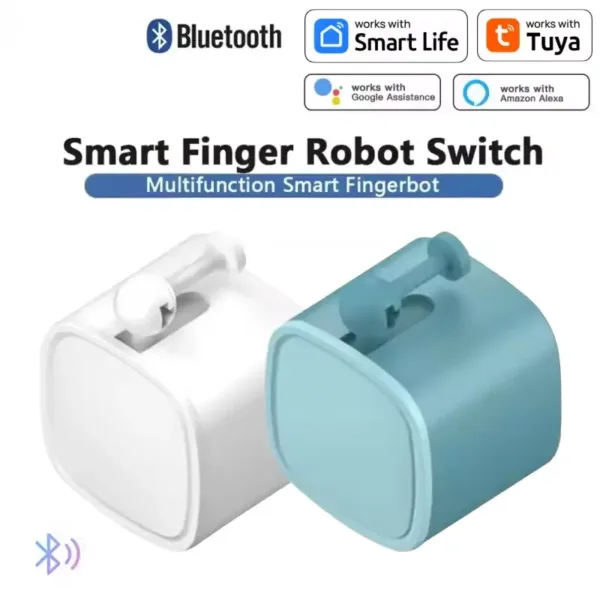 Smart Fingerbot - Bluetooth Button Pusher for Voice & App Control (Works with Alexa & Google Home)
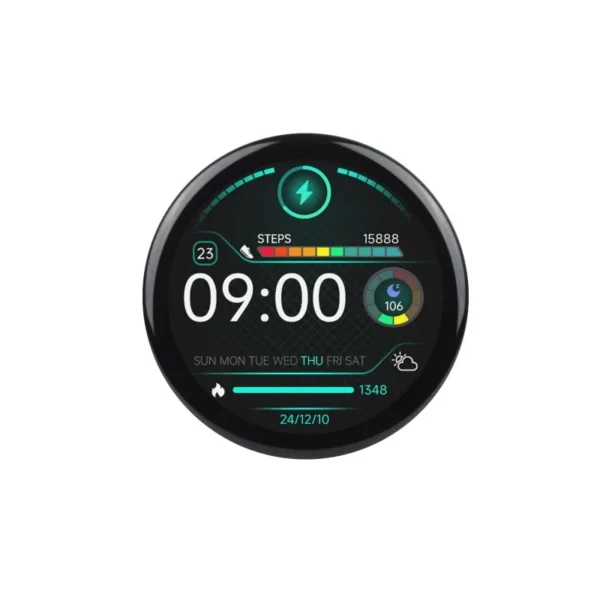 RP2350 1.46 inch Capacitive Touch Round Display Development Board, 480×480 IPS Panel Display, 65K Color
$21.90 – $23.90Price range: $21.90 through $23.90
RP2350 1.46 inch Capacitive Touch Round Display Development Board, 480×480 IPS Panel Display, 65K Color
$21.90 – $23.90Price range: $21.90 through $23.90
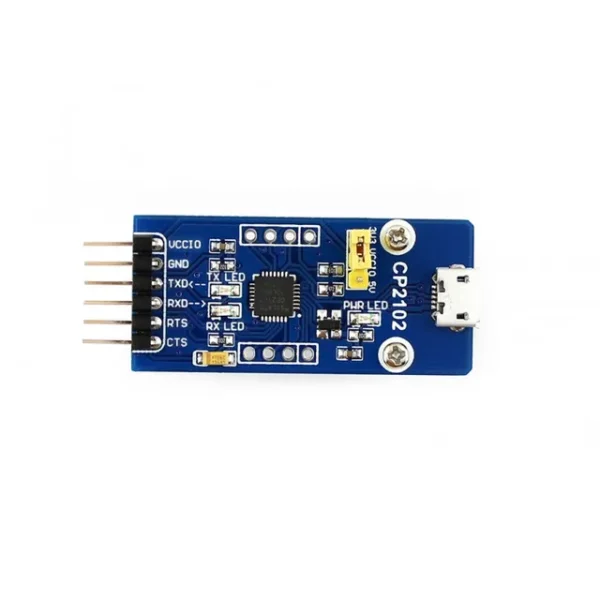 CP2102 USB UART Board, Micro Single-Chip USB to UART Data Transfer, Supports Mac, Linux, Android, WinCE, Windows 7/8/8.1
$5.60
CP2102 USB UART Board, Micro Single-Chip USB to UART Data Transfer, Supports Mac, Linux, Android, WinCE, Windows 7/8/8.1
$5.60
EMC testing is expensive, and failing it is worse than the test fee — it costs you a respin, a
We review a lot of boards — some designed in-house, some by other contractors, some by founders doing their own
When a battery-powered product dies too soon, the instinct is to blame the firmware. Surely there is a sleep mode
A wearable PCB is not just a small PCB. It is a board where every constraint that normally has some
The STM32 family is the workhorse of embedded hardware, and almost every project that uses one starts the same way:
The nRF52840 is one of the most popular BLE and multiprotocol chips in the world, and for good reason: it
No account yet?
Create an Account